

Mammals of the Roof of the World
The Cacti of South America

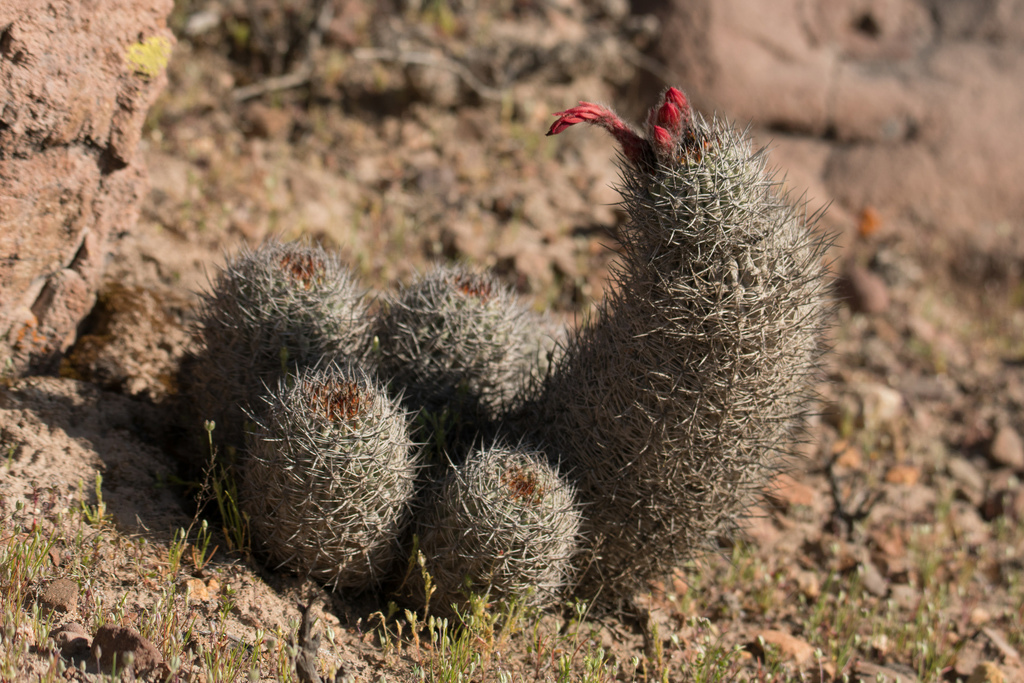
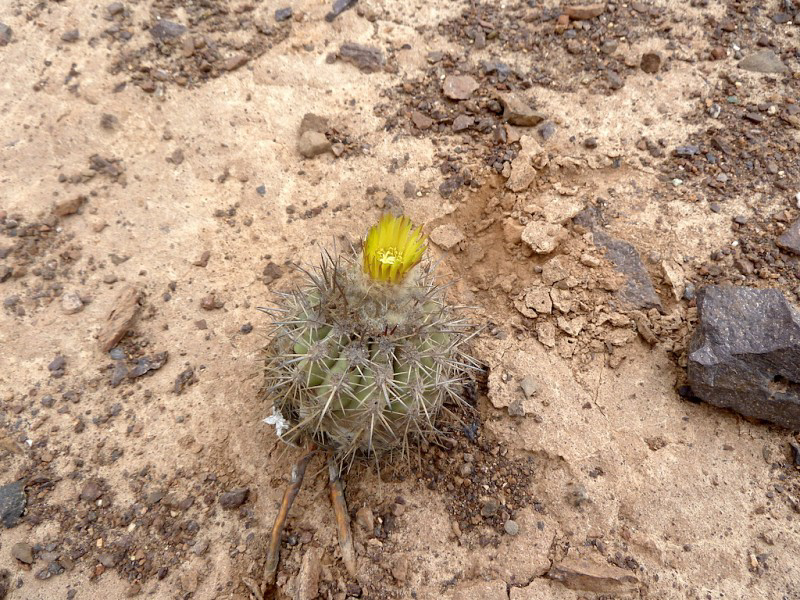
Peru is one of the principal centres of cactus diversity in South America. A classic synthesis of the family in the country recognised 43 genera and nearly 250 species, including 199 endemic taxa in 32 genera and six endemic genera, while more recent national references cite 42 genera, 270 species and seven endemic genera, showing both the exceptional richness of the country and the fact that cactus taxonomy and discovery in Peru remain active fields of research.
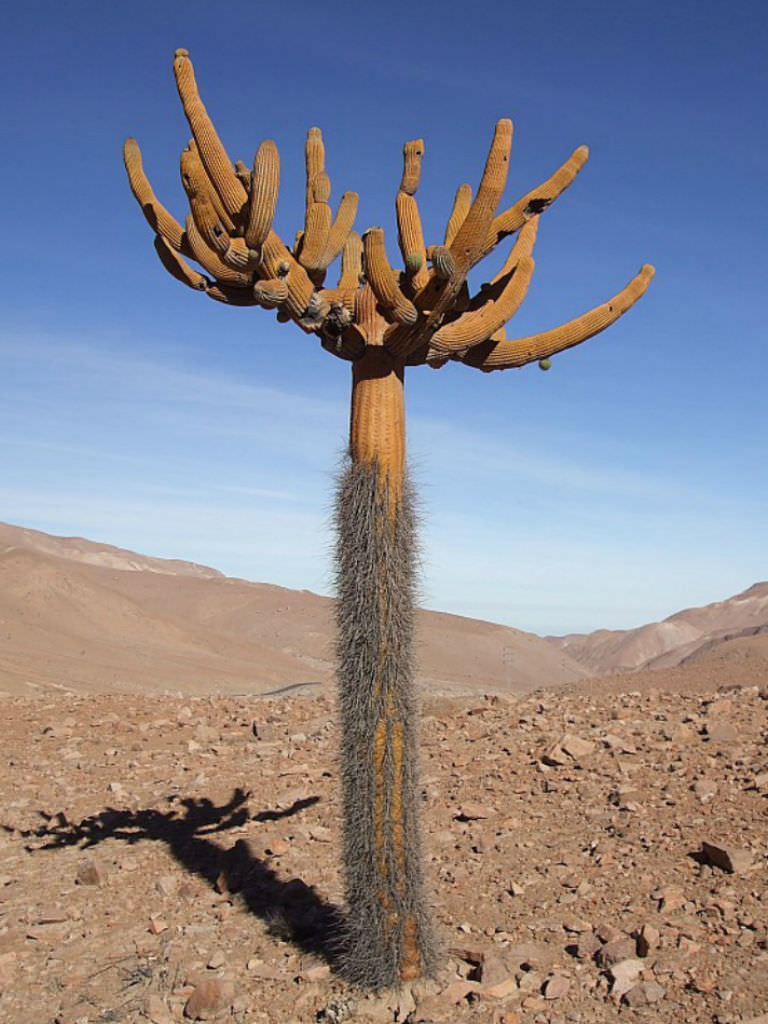
This diversity is not only taxonomically remarkable, but also relevant from a conservation perspective. A global assessment showed that cacti are among the most threatened taxonomic groups evaluated to date, with 31% of assessed species classified as threatened with extinction. In practical terms, this means that a specialised route focused on cactus observation and photography is not merely an aesthetic experience: it can also be framed as a conservation-aware journey through one of the most vulnerable plant groups in the world’s drylands.
From a biogeographical perspective, the western slopes of the Peruvian Andes are especially important because cactus communities are not randomly distributed. Their composition is structured by aridity, altitude, maritime humidity and regional climatic regimes. A phytosociological analysis across the western Andes of Peru showed that cactus communities are concentrated in the coastal desert lomas and the basal Andean belts, and that southern Peruvian communities belong to distinct biogeographical and bioclimatic settings. This is precisely why a route in southern Peru is so compelling: within a relatively compact itinerary, it is possible to move across fog-fed coastal desert, inter-Andean dry valleys and volcanic highland landscapes while still remaining within a coherent, cactus-centred programme.
For a first cactus itinerary in Peru, Arequipa is arguably the strongest region to prioritise. A departmental catalogue documented 56 non-cultivated taxa, with especially high representation of Cumulopuntia (11 spp.), Corryocactus (7 spp.) and Loxanthocereus (6 spp.), and reported 21 endemic taxa in the department. This means that Arequipa combines richness, endemism and genus-level variety better than most regions that are also realistically accessible for a well-operated tour.
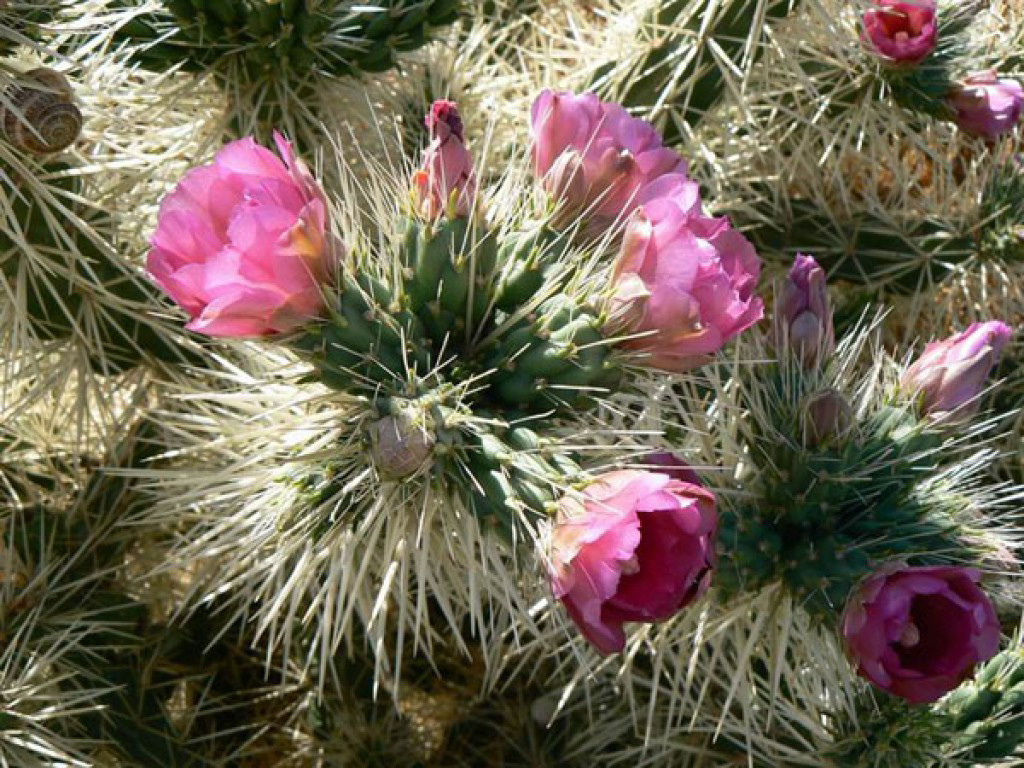
This itinerary links three complementary sectors of southern Peru. First, Atiquipa, where the route enters the lomas system: a fog-dependent oasis ecosystem embedded in one of the driest regions of the continent. Second, the Cháparra Valley, one of the best-documented cactus valleys in southern Peru in terms of endemism. Third, Andagua and the Valley of the Volcanoes, where cactus observation is set within one of the most distinctive volcanic landscapes in the Peruvian Andes. Together, these localities create a route that is both botanically rich and visually dramatic.
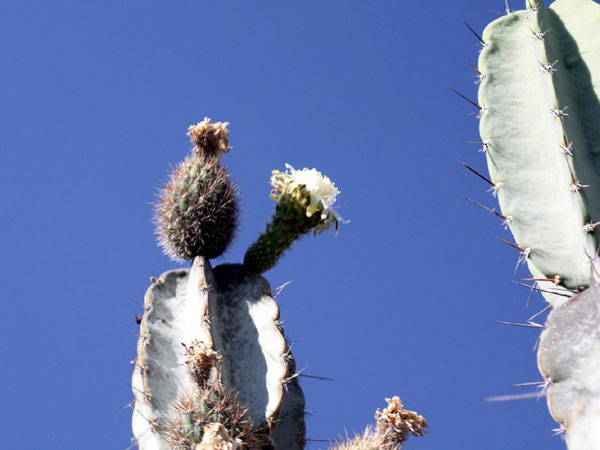
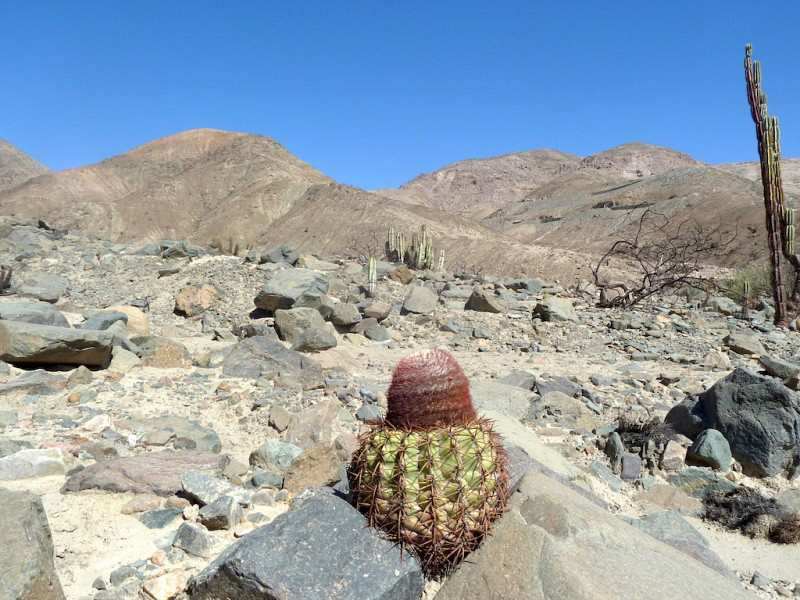
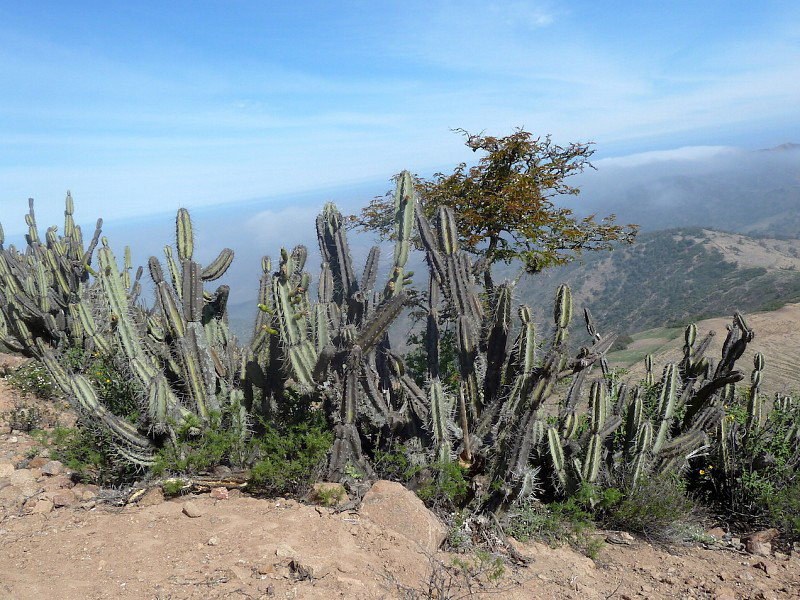
The Lomas de Atiquipa are especially important because they are not only scenic, but also ecologically exceptional. Official tourism information identifies them as the largest and most diverse coastal lomas in Peru, covering 19,028.02 ha. The cactus flora of Atiquipa documented 15 genera and 20 species, of which 13 are endemic to Peru and eight to Arequipa; within the lomas zone itself, the highest cactus diversity was recorded between 600 and 1,200 m, and the lomas sector concentrates 16 species. In other words, Atiquipa is one of the few places where a visitor can experience the visual drama of a fog oasis while simultaneously working with a highly diverse cactus assemblage.
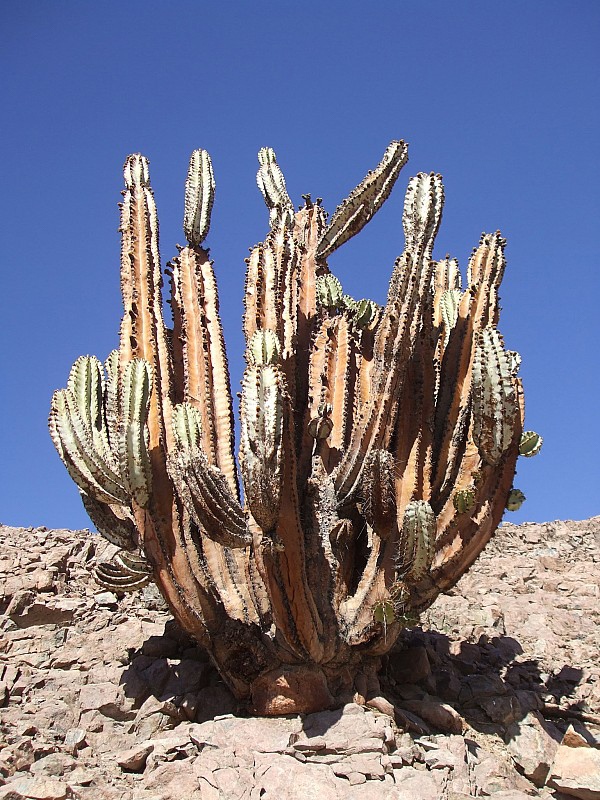
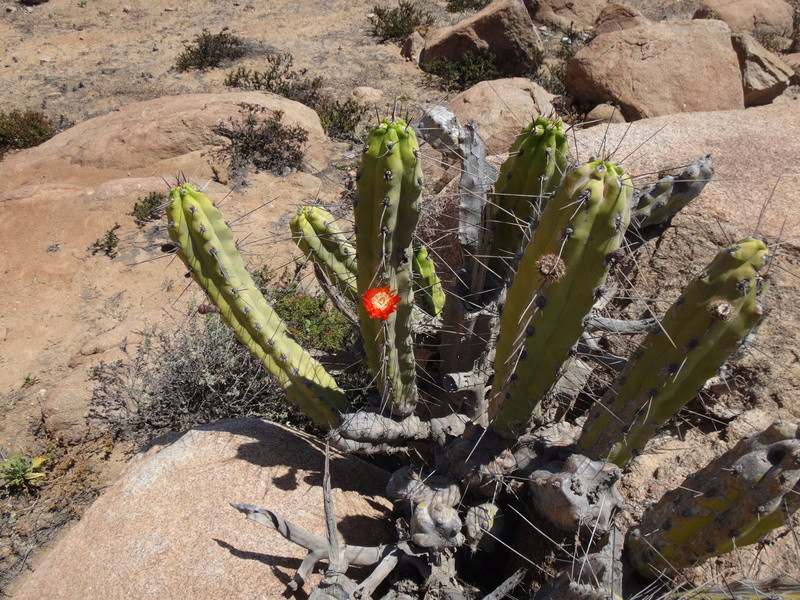
The Cháparra Valley provides a different but equally strong cactus experience. A dedicated inventory reported 23 taxa, including 18 endemics to Peru and two exclusive to Arequipa, across a broad environmental gradient from coastal lowlands to higher dry valleys. This locality is particularly attractive because it adds not only species richness, but also a strong endemism component and a clearer view of cactus distribution across an arid valley system.
The Valley of the Volcanoes in Andagua adds a third dimension to the trip: geological spectacle. The valley is a distinctive landscape with 36 miniature volcanic cones, lava flows and three lagoons, as well as 269 plant species and 115 bird species, while UNESCO highlights the broader Colca y Volcanes de Andagua UNESCO Global Geopark as a place where volcanic landforms, deep canyon systems and living local cultures intersect. The botanical interest of the valley has been reinforced by the recent description of Corryocactus volcanicus, a new species from this very landscape. This combination of scenery, geological identity and ongoing botanical discovery gives Andagua exceptional value for a high-end natural history route.
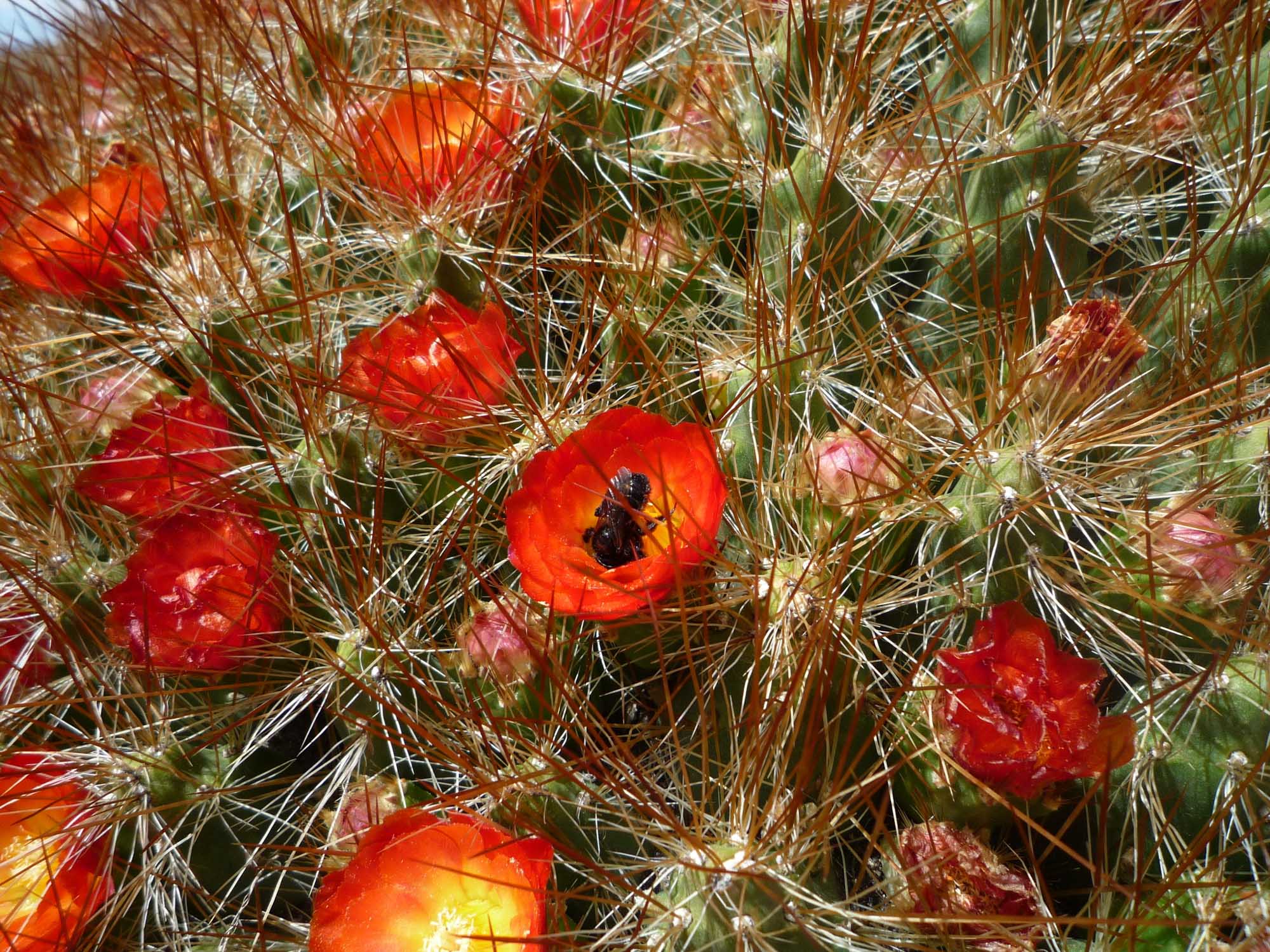
This route is also particularly strong for nature photography. The visual transitions are striking: fog-fed green patches against hyper-arid slopes in Atiquipa, sculptural cactus stands in dry valleys in Cháparra, and volcanic cones, lava fields, high Andean skies and broad valley views in Andagua. For photographers, this offers a rare combination of macro opportunities, cactus-in-habitat images, wide-angle landscape compositions and documentary natural history scenes within a single itinerary. This is not a flower-only tour; rather, it is a route for photographing cactus diversity, structure, landscape context and ecological setting.
This itinerary connects biodiversity with human landscape history. Coastal lomas have been described as fog oases and centres of both biodiversity and past human activity, while the Andagua sector lies within a geopark where geodiversity, traditional practices and community-based tourism are explicitly linked. It is therefore a journey through the ecology, geology and cultural history of southern Peru’s drylands.
Dates and Prices
6th October - 17th October 2027 (12 days)
* doesn't apply if you're willing to share and a room-mate can be arranged
Cacti. Also Birds (especially Hummingbirds), Landscapes and Culture.
The minimum is 4 and the maximum is 6.
All flights. All transport, accommodation and meals in Peru. Services of your leader and local guides. National park and reserve entrance fees. Please note: drinks, tips, and items of a personal nature, including travel insurance, are not included.
Good quality, clean hotels and lodges, all with en-suite bathrooms. The lodges are not luxurious, but are selected for their location within or close to the areas we will be exploring, while always bearing in mind that we all appreciate a certain level of comfort.
No more than three or four miles in any one day, and always at a slow pace, ideally suited to photography.
UK return flights are from London Airports, Manchester, Edinburgh and many other UK regional airports via Madrid or Amsterdam to Lima. Other indirect routes from European airports* are available.
*These routes may incur a supplement.
October and November offer excellent, dry shoulder-season weather throughout the Arequipa region. Days are sunny and warm, although the higher-altitude areas experience significant drops in temperature at night, while the coastal valleys remain warm. In Arequipa daytime temperatures range between 20°C and 23°C (68°F–73°F), with chilly overnight lows of around 7°C to 8°C (45°F–46°F). Days are predominantly bright, clear and sunny, with very little rainfall (1–3 mm during the month). October generally brings the warmest daytime temperatures, while November marks the beginning of a gradual increase in cloud cover. In Cháparra, the coastal and lower valley areas are considerably warmer than the highlands, with daytime highs consistently ranging between 25°C and 28°C (77°F–82°F). The area is extremely arid, sunny and dry, with mild evenings. In the Valley of the Volcanoes, the highly variable elevations (ranging from deep valleys to high plateaus above 3,500 metres) result in comfortable daytime temperatures of between 18°C and 22°C. Clear blue skies prevail at this time of year; however, temperatures drop rapidly after sunset, often reaching or falling below freezing at the highest elevations.
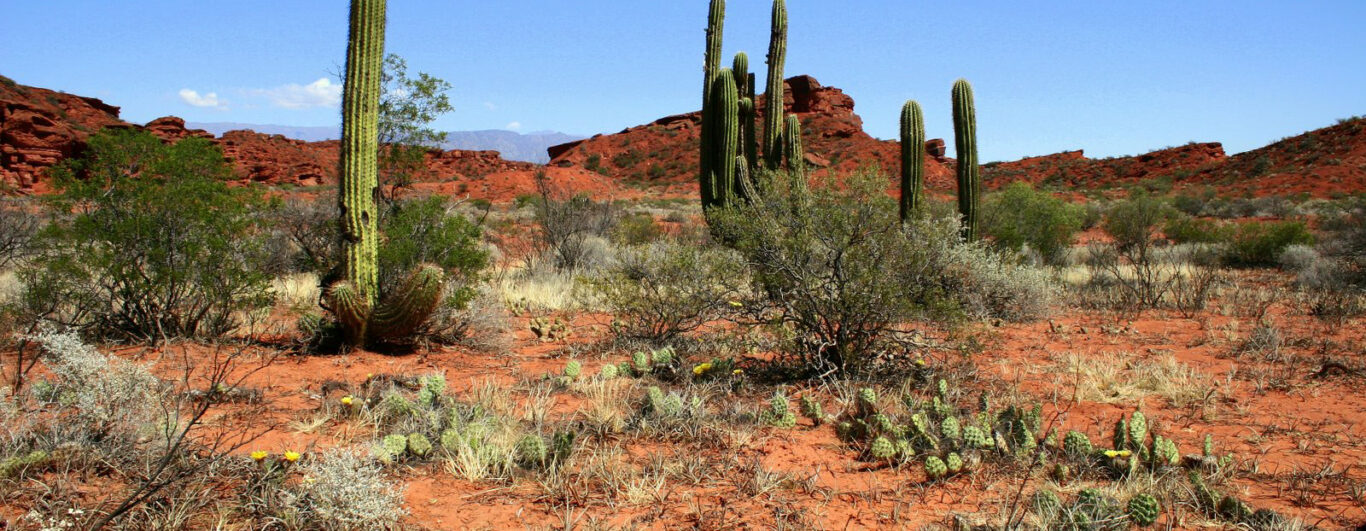
Why not have the trip of a life time and combine this with our Cacti of Argentina trip? The Cacti of South America
Contact us to check if there is availability for the number of places you require. Click on the ‘Book this Tour’ button on this page to be taken to the online booking form or contact us and we will send one to you which you can complete and send back to us. You will receive confirmation of your place, and then a detailed information pack will be dispatched to you about twelve weeks before departure. This will contain up-to-date health information.