

The Pyrenees
Alexander Archipelago

Chitral & Kumrat
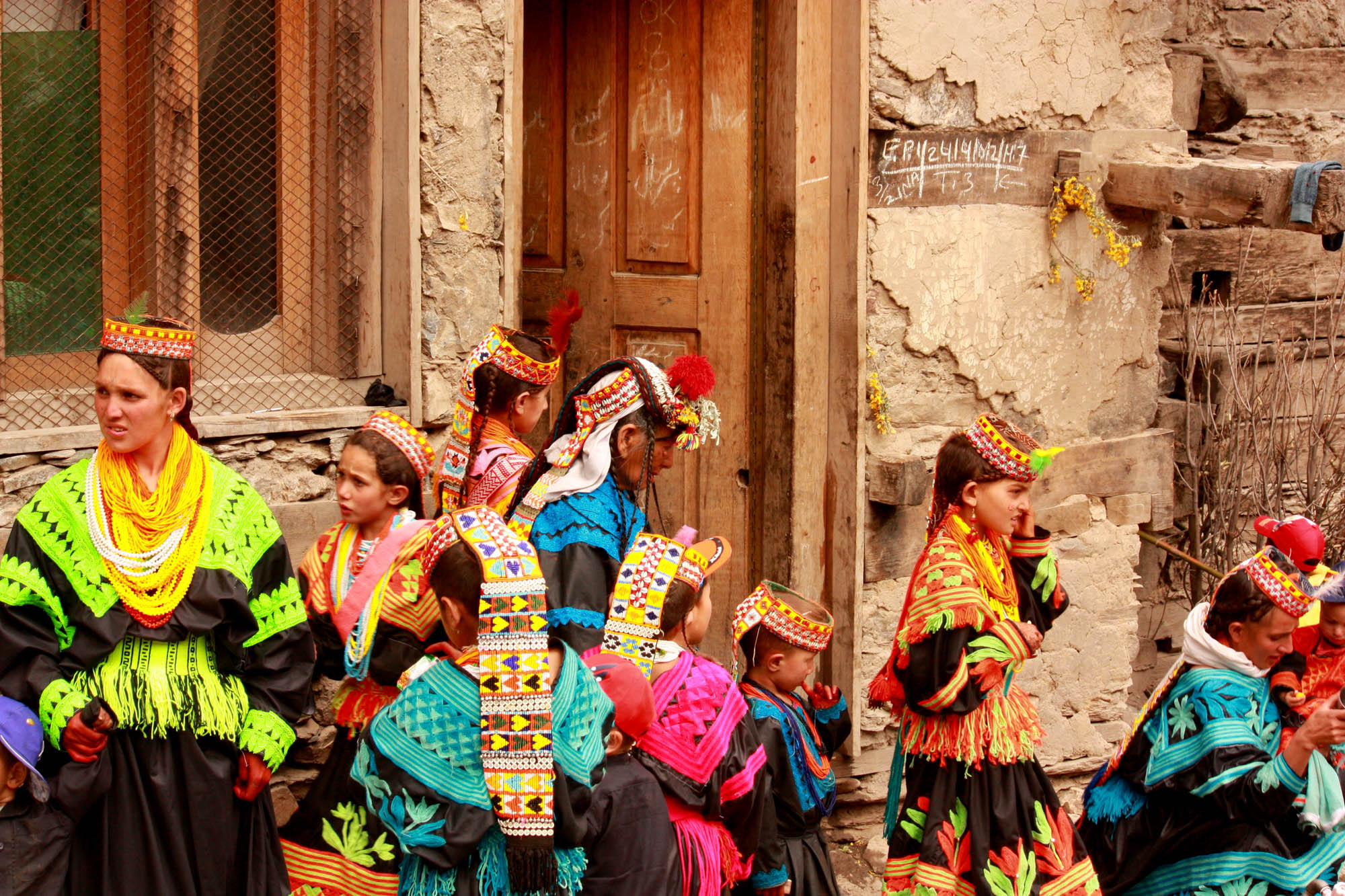
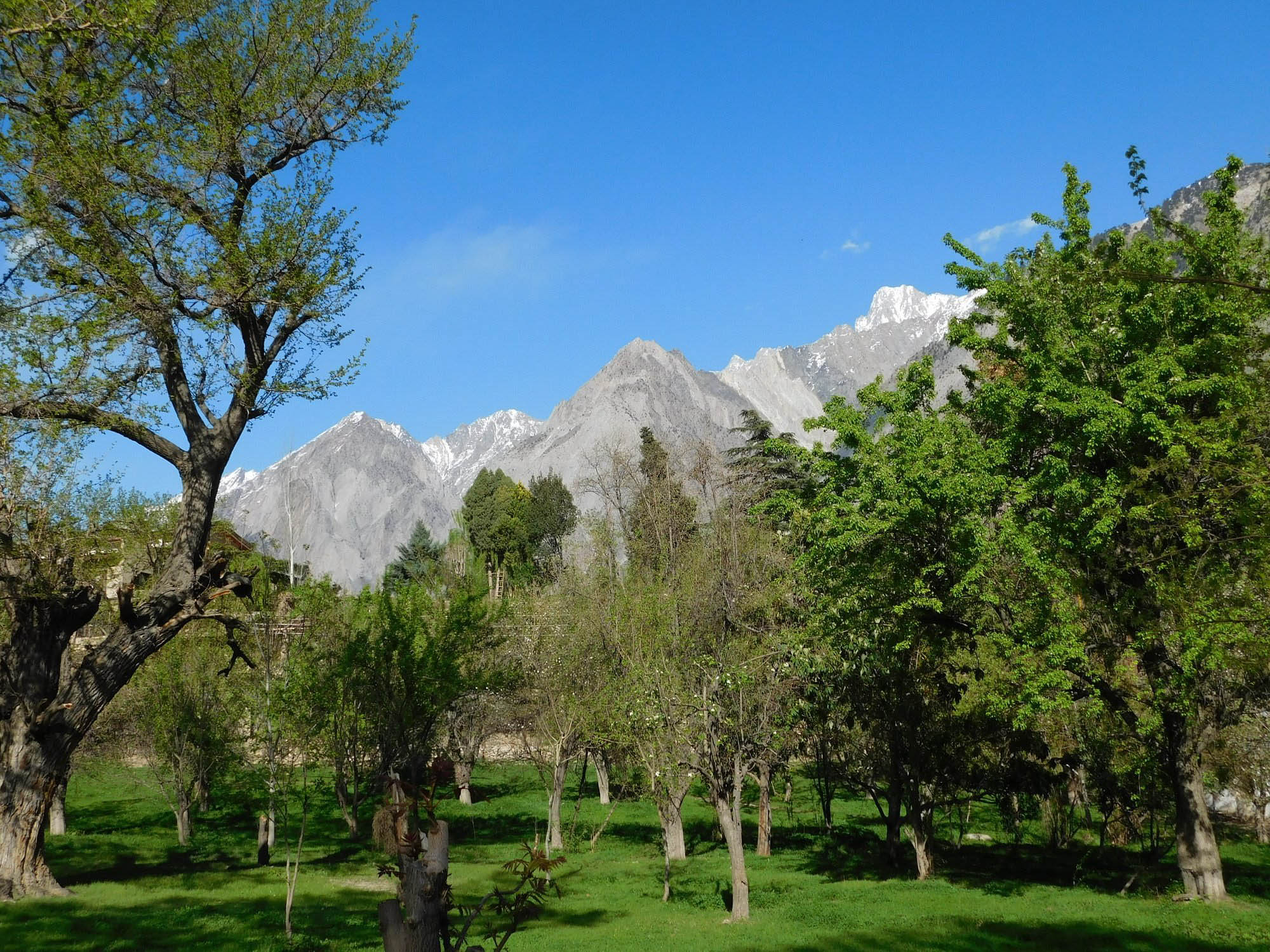
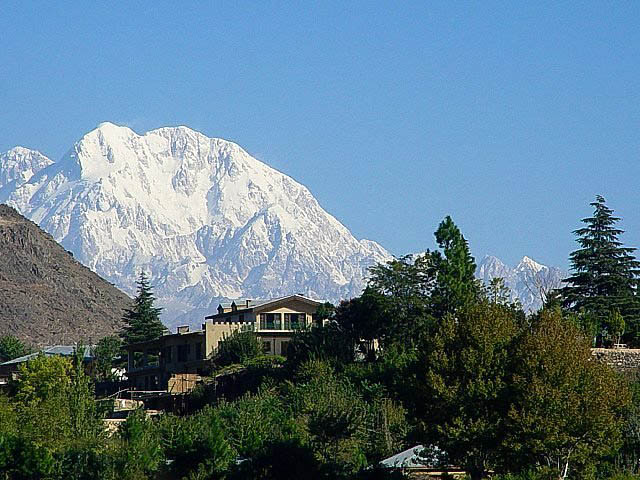
The Kalash Valleys are the hidden gems of Northern Pakistan. The lush green landscapes with dense deodar and pine forest and pristine rivers have the towering snow-capped peaks of the Karakoram Range as a breathtaking backdrop. These valleys are home to the Kalash people, an indigenous community known for its unique culture and traditions, and believed to be descendants of Alexander the Great’s soldiers.
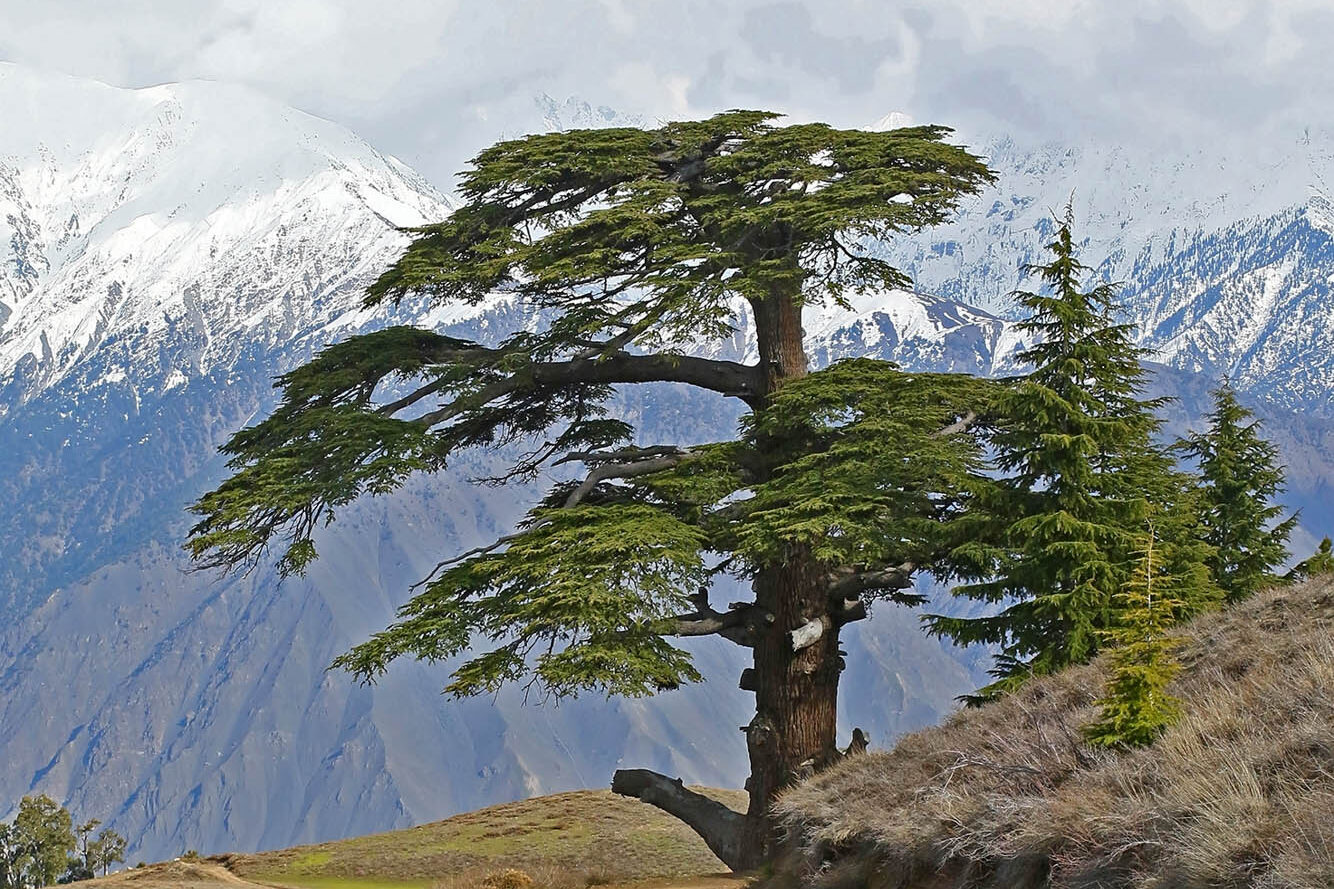
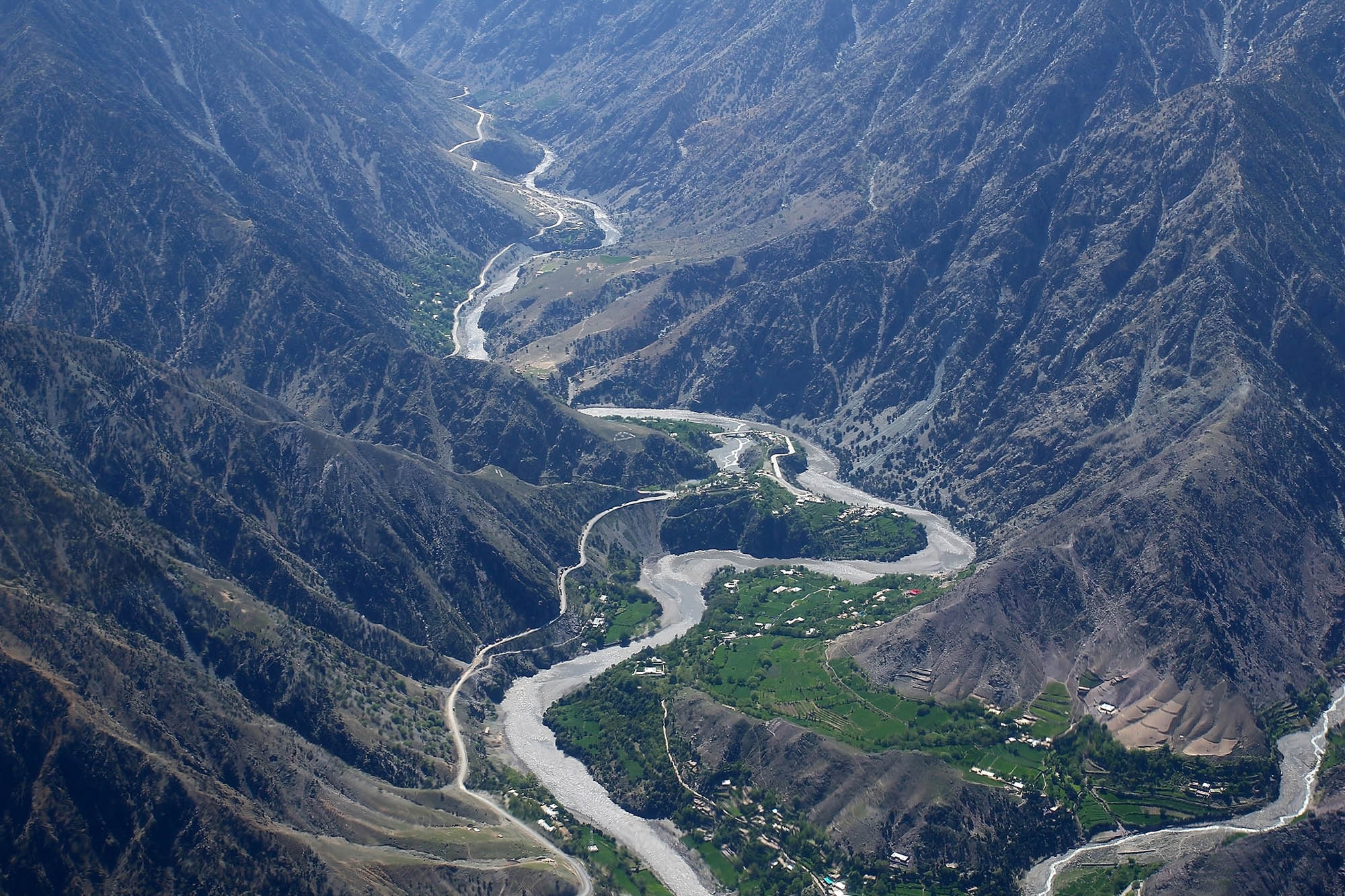
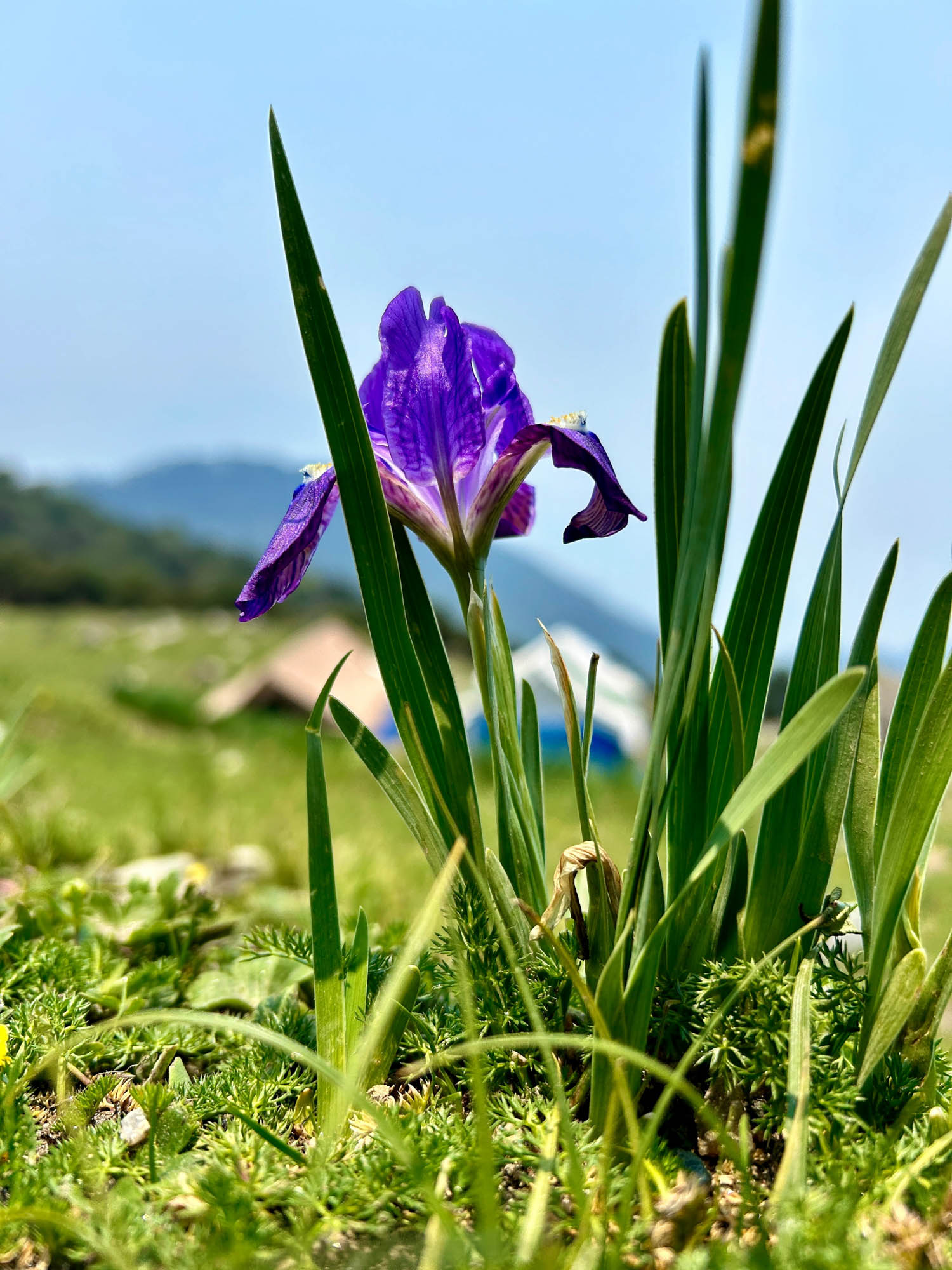
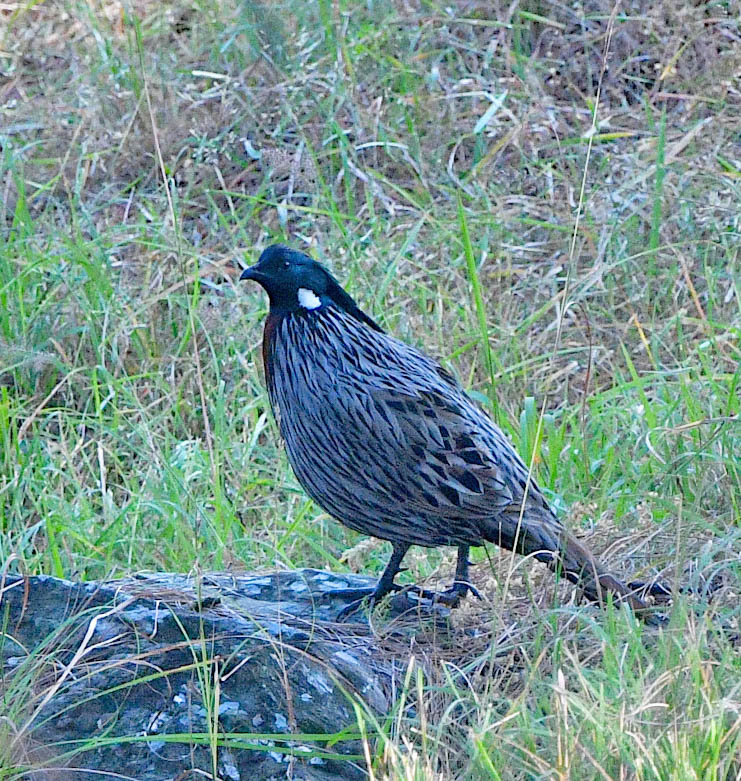
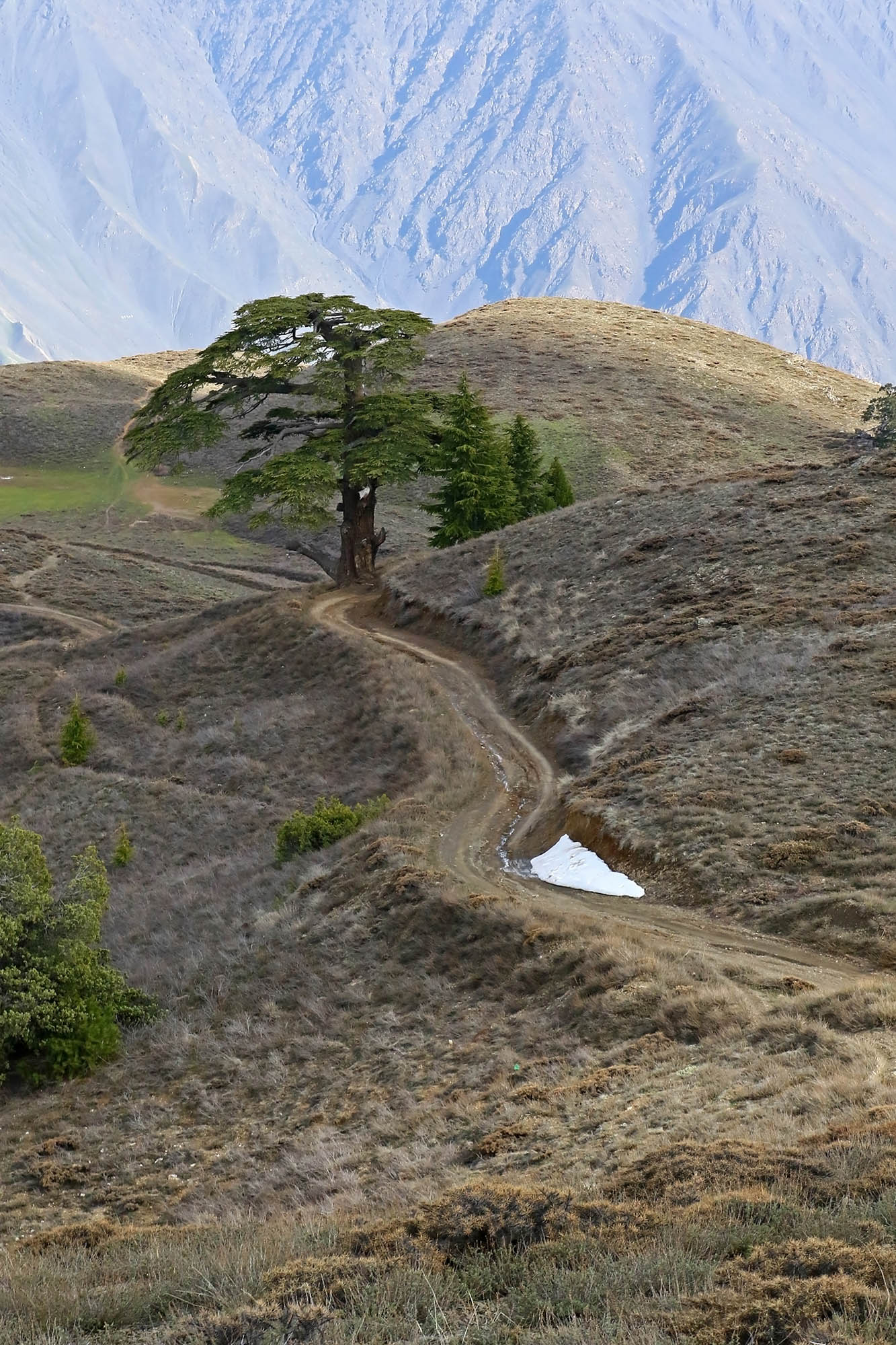
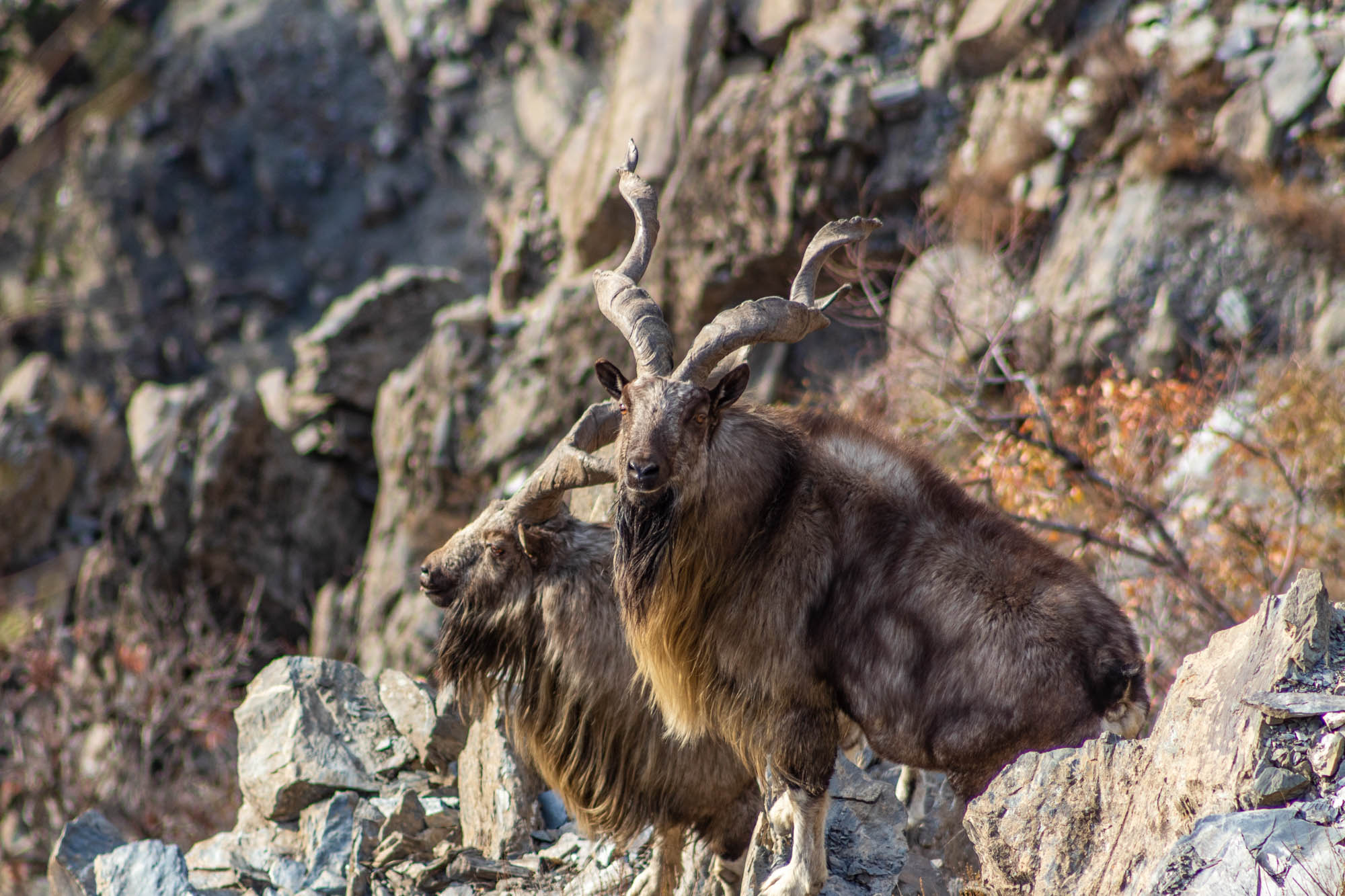
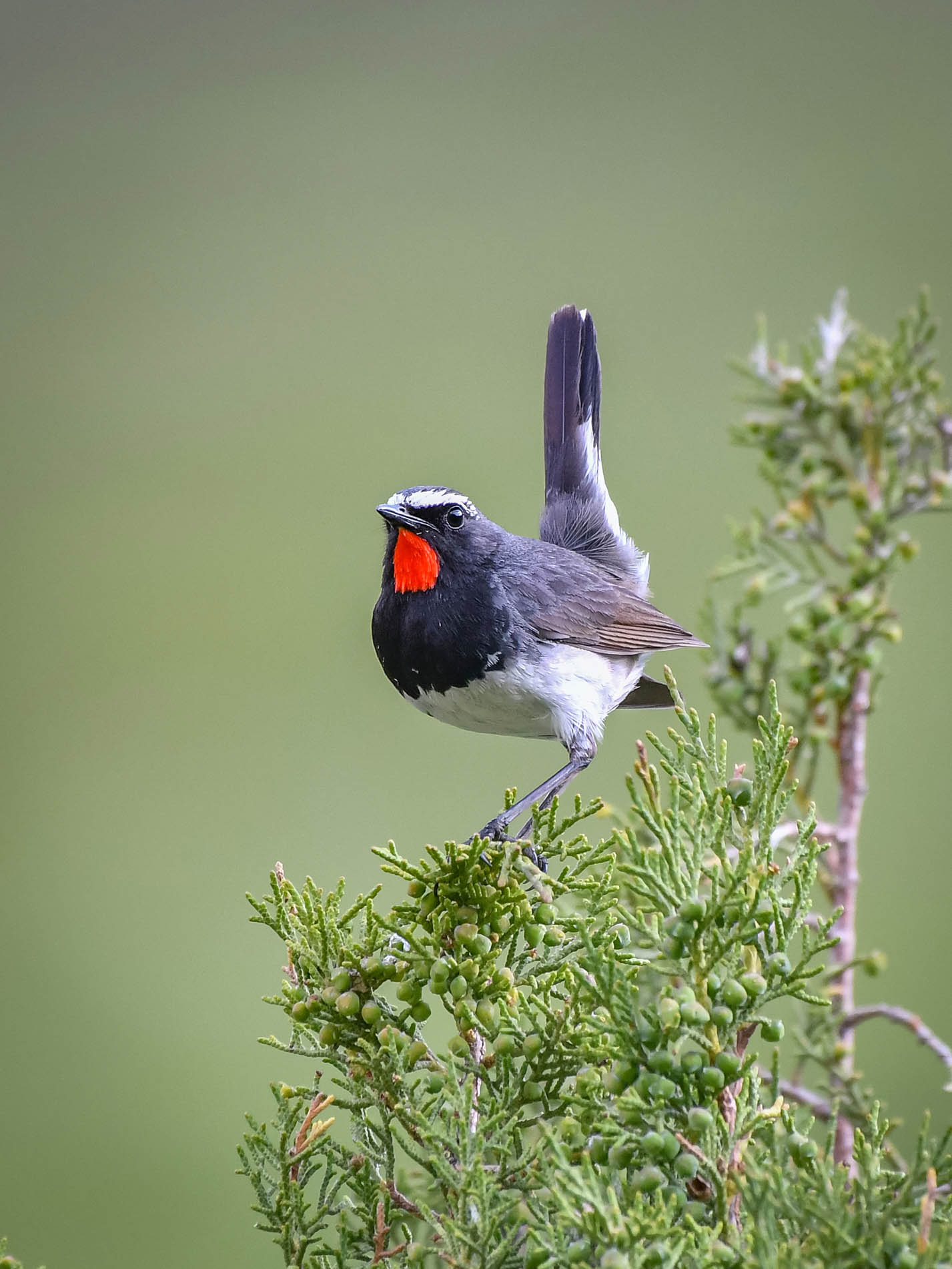
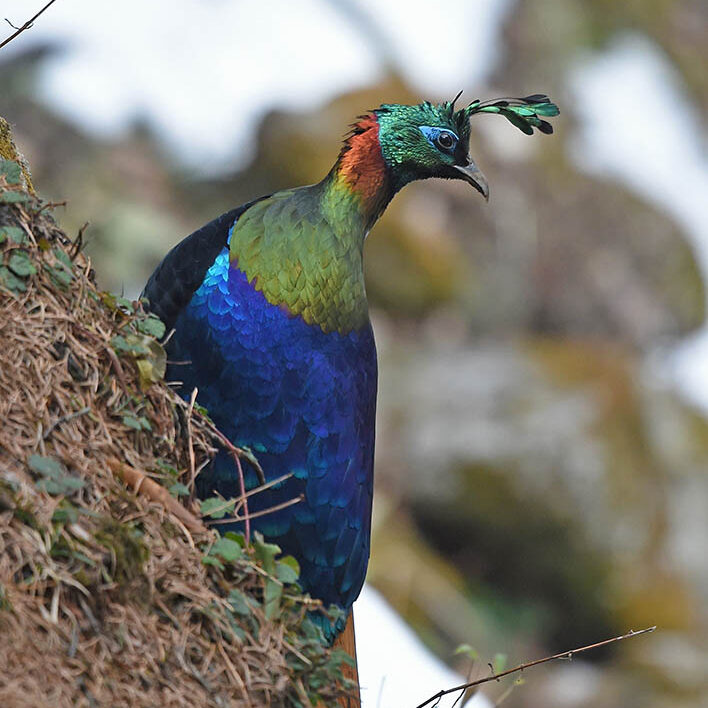
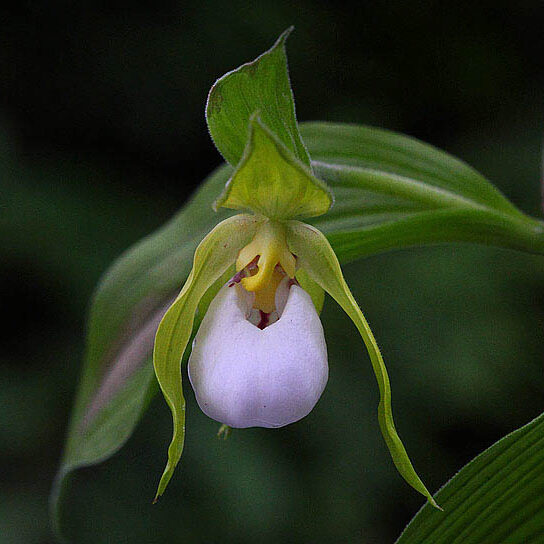
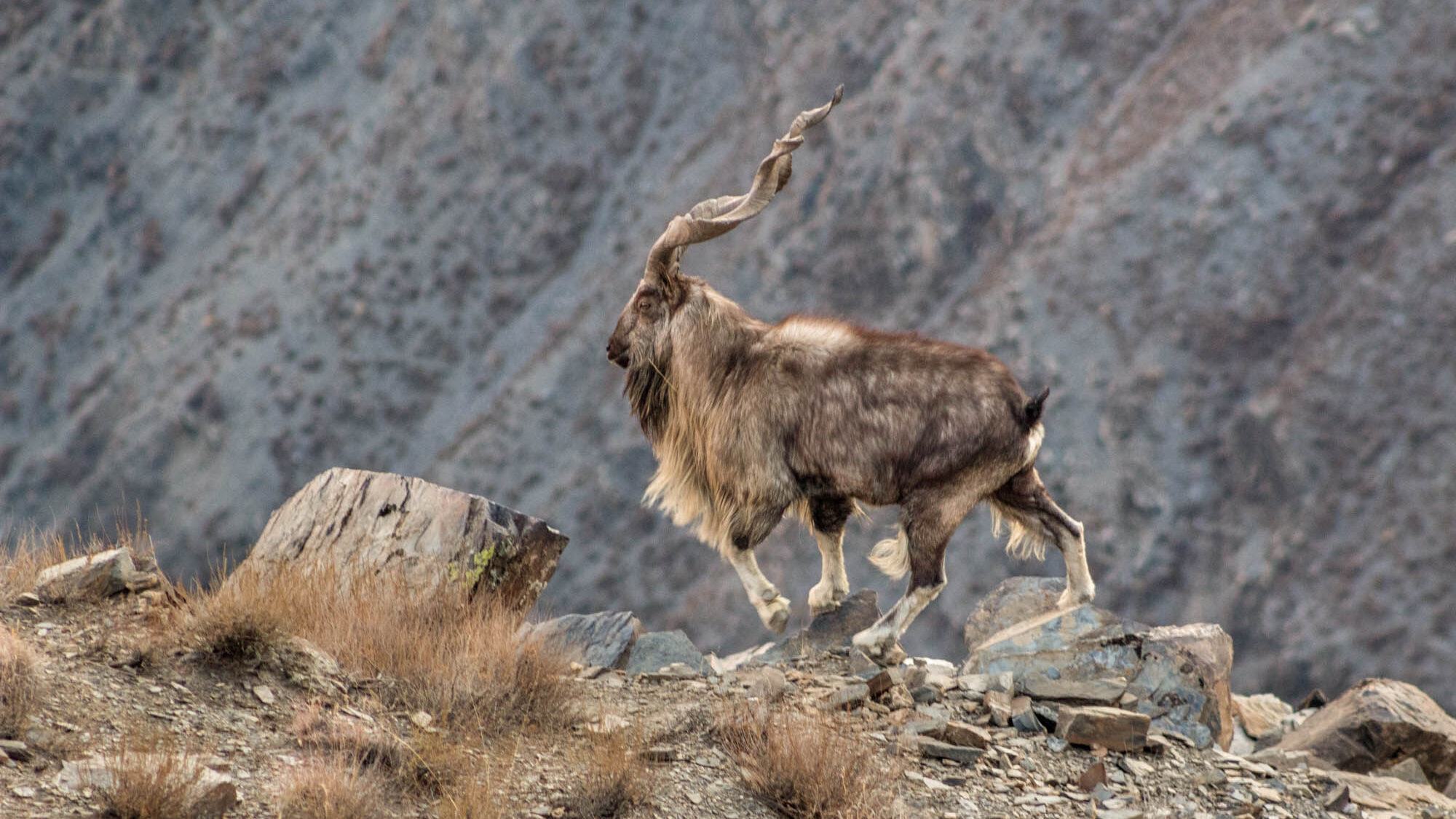
We will explore the alpine meadows and the wonderful highlands forests of Chitral based at the beautiful Ayun Fort. Here are magnificent stands of Chir Pine (Pinus roxburghii), Deodar (Cedrus deodar), and both Abies pindrow and Picea smithiana. Kashmir Nuthatch, White-cheeked Tit and Rufous-naped Tit are the characteristic avian inhabitants of these forests. Above the forests are colourful shrubberies of Rhododendrons. Creamy Clematis grata and yellow Clematis graveolens trail through the vegetation and the tubby bells of Codonopsis rotundifolia and Codonopsis clematidea are a fine sight. Streams are lined with Rhodiola coccinea and both Bergenia himalaica and Bergenia stracheyi. Some particularly lovely birds make this habitat their home – White-tailed Rubythroat, Indian Blue Robin, Himalayan Bluetail, and White-capped and Blue-capped Redstarts. The flowers of the subalpine meadows are truly marvellous. Drifts of white Anemone polyanthes and lovely blue Geranium wallichianum colour meadows where we can find such gems as Muscari armeniacum and purple-blue Iris hookeriana. Golden Marmots piercing whistles mark our progress from one superb Cypripedium cordigerum to another; this Ladies Slipper Orchid is a beauty with large white pouches and olive tepals. Nearby there’s deep-mauve dark-centred Primula macrophylla and cowslip-like Primula officinalis. Golden Eagle, Lammergeier, Cinereous Vulture and Himalayan Griffon soar in the clear mountain air. Pretty pink drumsticks of Primula capitellata decorate boggy ground alongside various Saussurea species. On the high ground of the Kundayak Pass there’s yellow Colchicum luteum, Gagea chitralensis, beautiful yellow Chorispora macropoda and the fabulous blue trumpets of Gentiana kurroo. This alpine ground is the home of rosefinches – White-browed Rosefinch, Red-mantled Rosefinch and Red-fronted Rosefinch – beauties all. There is an abundance of cliff, boulder and scree of course in these vertically challenging landscape and many of the finest species prefer these habitats. The stately Markhor, an ‘ibex’ of great stature and elegance, is one such – these animals are not uncommon here and with only a little effort we can see them. Another is the glorious Himalayan Monal, an iridescent symphony of green, blue, yellow and orange. Wallcreepers flutter butterfly-like from rocky pinnacles as we admire rare Delphinium nordhageni, a lovely species with large-flowers on dwarfed heads, and dionysia-like Primula floribunda.
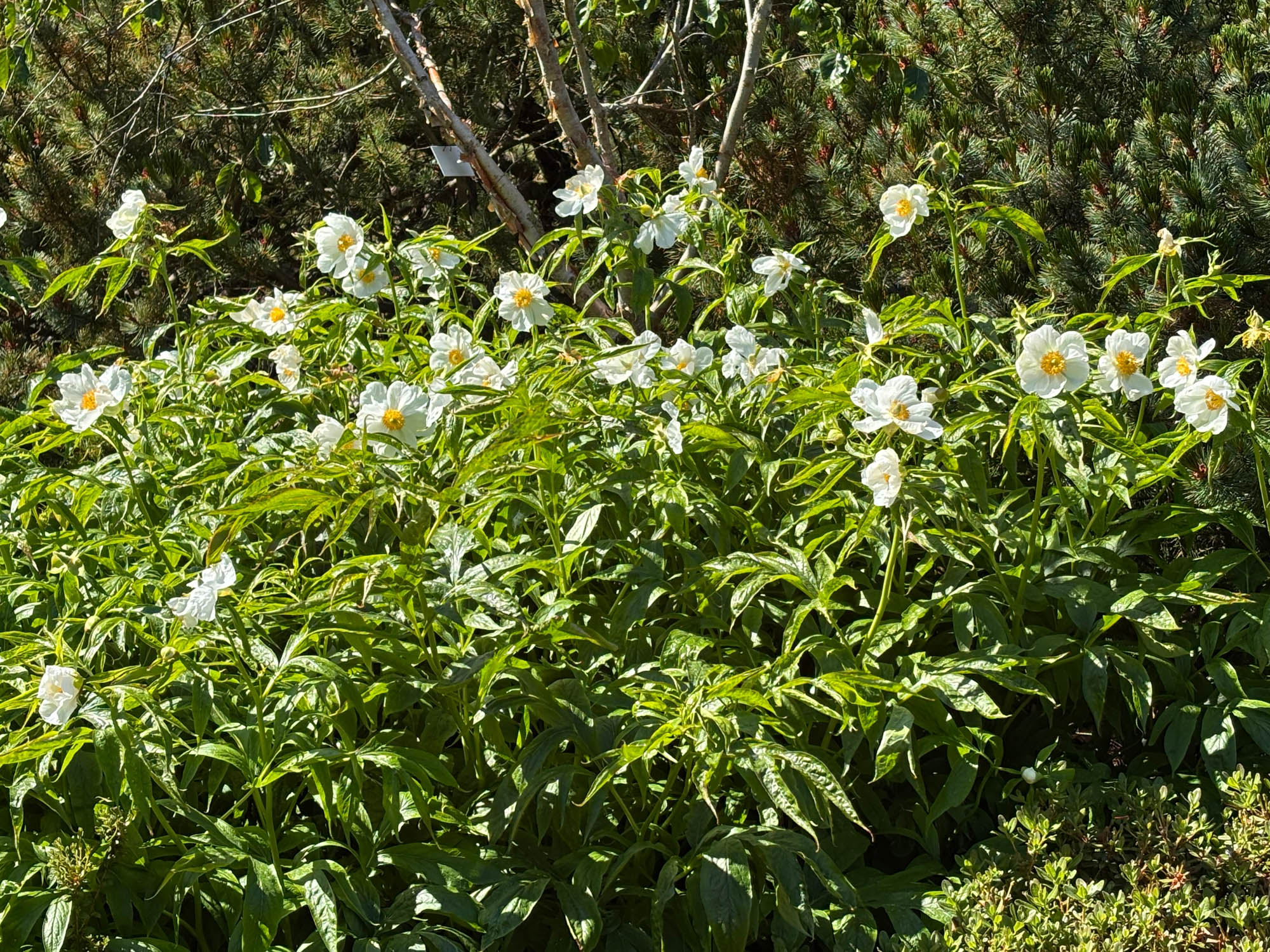
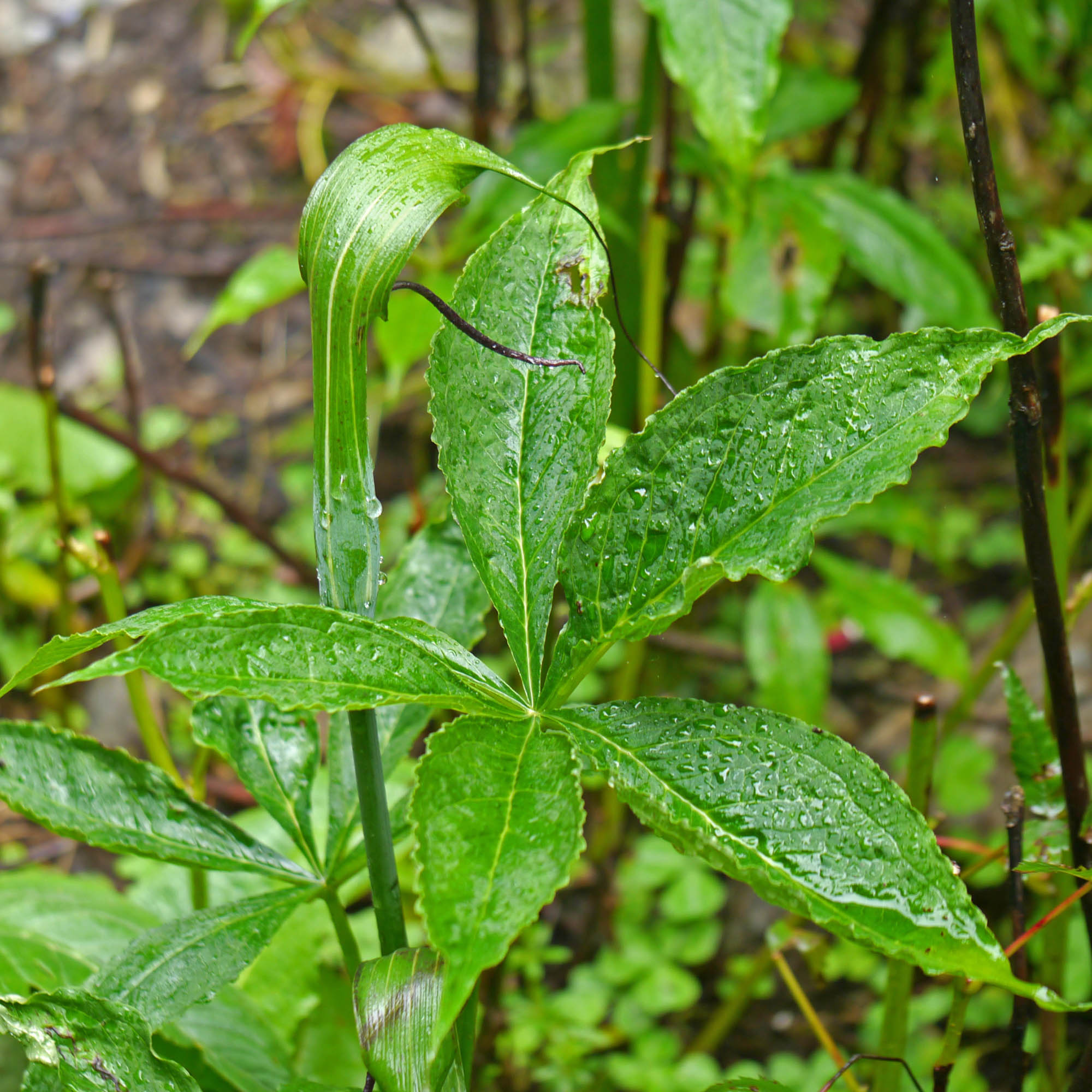
The deep valleys and high peaks of the Kumrat Valley have a variety of forest types from riparian along the valleys up through subtropical pine forest to Himalayan moist temperate forest right up to alpine forest and higher still into Rhododendron shrubberies. The resulting tree diversity is high. For example Oaks change from Quercus baloot and Quercus glauca in the lower Blue Pine (Pinus wallichiana) forests through Quercus incana to Quercus semecarpifolia in the subalpine forests. We’ll find the rare but important Chilgoza Pine (Pinus gerardiana), a species whose edible nuts are of great importance to both people and wildlife! We’ll look for the huge white bowls of Paeonia emodi, finely-etched Swertia speciosa, the cobra-lily Arisaema jacquemontii and Pelargonium peltatum, just one of several members of this genus found in the area. Brown Dippers are along the rivers and amongst the other fine birds we’ll see are Koklass Pheasant, Spectacled Finch, White-winged Grosbeak, Variegated Laughingthrush, Black-headed Jay and the elegant Yellow-billed Blue Magpie.
A pre-tour will take us into the subtropical broadleaf evergreen forests of Galayat. Based in the famous hill station at Murree we’ll explore the forest communities dominated by Olea paniculata, Quercus dilatata and Berberis calliobotrys. The forests have a diverse flora with for instance half a dozen species of Swertia as well as Arisaema flavum, and orchids such as Epipactis gigantea and Calanthe tricarinata.
Dates and Prices
2nd June - 17th June 2027 (16 days)
Optional Tour Extensions
Murree Hill Station Pre Tour
1st July - 3rd June 2027 (29 days)
* doesn't apply if you're willing to share and a room-mate can be arranged
Trees, forests and flowers. Also Birds and Mammals. Culture and amazing landscapes.
The minimum is 4 and the maximum is 15. Local expert Dr Sohaib Muhammad will also lead the group
All transport, meals and accommodation in Pakistan. Services of your leaders. Gratuities. Please note: drinks, and items of a personal nature including insurance, are not included. Flora, mammal and bird checklists are available.
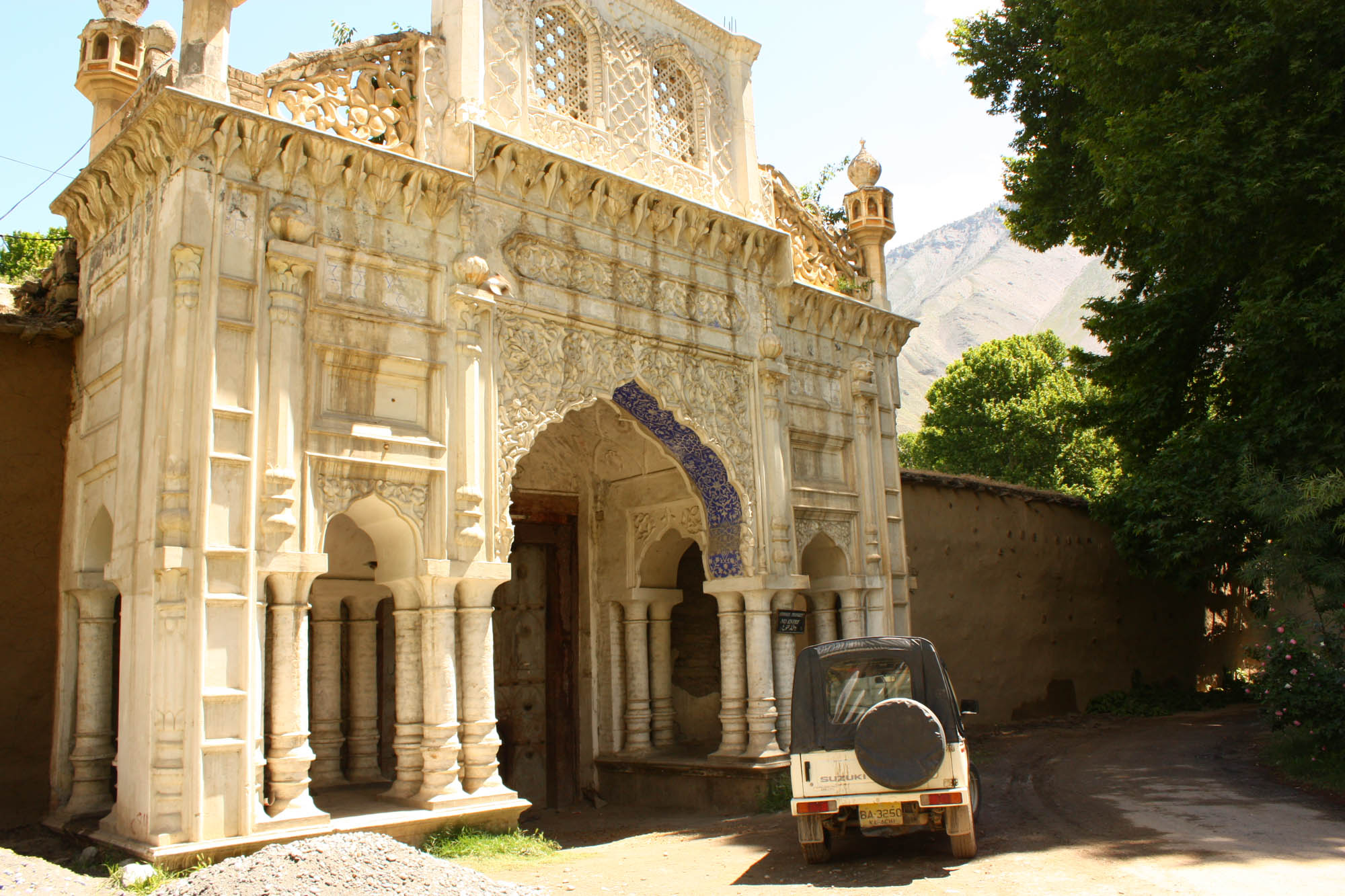
The first and last nights of the tour will be at the 5-star Islamabad Serena hotel, situated at the foot of the Margalla Hills and surrounded by greenery. The second night of the tour is at the Shelton Rezidor Hotel on the Kumrat Road. This hotel sounds as elegant and luxurious as the first but is in truth just a decent standard of hotel conveniently situated to break our journey. Moving into the Kumrat Valley we’ve three nights at the Panjkora Hotel & Resort in a fabulous setting with forested slopes rising all around. The centrepiece of the tour is six nights at the Ayun Fort Inn. Set by the river in Chitral and surrounded by beautiful gardens this hotel is a delight. On the pre-tour we have two nights at the very modern Ramada by Wyndham Lower Murree Topa Resort before heading to Islamabad and joining the main tour at the Islamabad Serena. All rooms on this tour have en suite facilities.
For the most part we’ll be covering up to four or five miles a day. The trek from Bumboret to Rumbur is a day walk with 6-7 hour walks both days and with altitude gain of around 1800m – 1900m. There is an option to go by road instead!All flights.
UK direct return flights are from London Gatwick to Islamabad. Other indirect routes from regional UK Airports* are available.
*These routes may incur a supplement.
Pleasantly warm for the most part though it can become quite hot in the middle of the day in the Murree Hills, and even sometimes on the main tour. Cooler at night, especially in Chitral. Occasional thunderstorms during the afternoons.
Contact us to check if there is availability for the number of places you require. Click on the ‘Book this Tour’ button on this page to be taken to the online booking form or contact us and we will send one to you which you can complete and send back to us. You will receive confirmation of your place, and then a detailed information pack will be dispatched to you about twelve weeks before departure. This will contain up-to-date health information.