

Dinaric & Dolomitic Alps
The Dolomites

A Botanical Treasure Trove
Though the south of Japan’s memorably scenic archipelago experiences a sub-tropical climate the northernmost parts of this island chain have more in common with Siberia. Early spring bulbs bloom where the snows are still receding whilst lower latitudes and elevations host a more exotic flora.
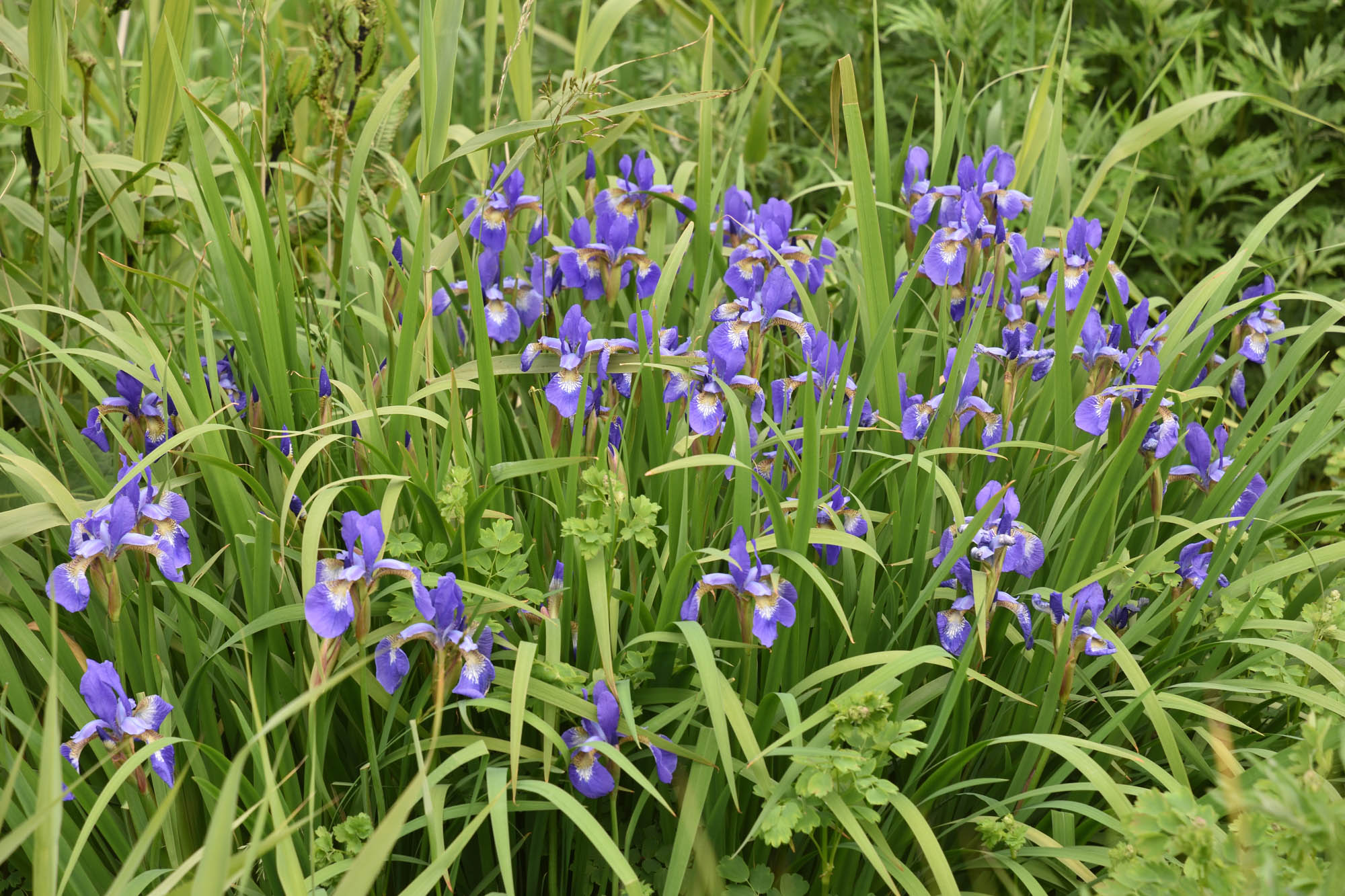
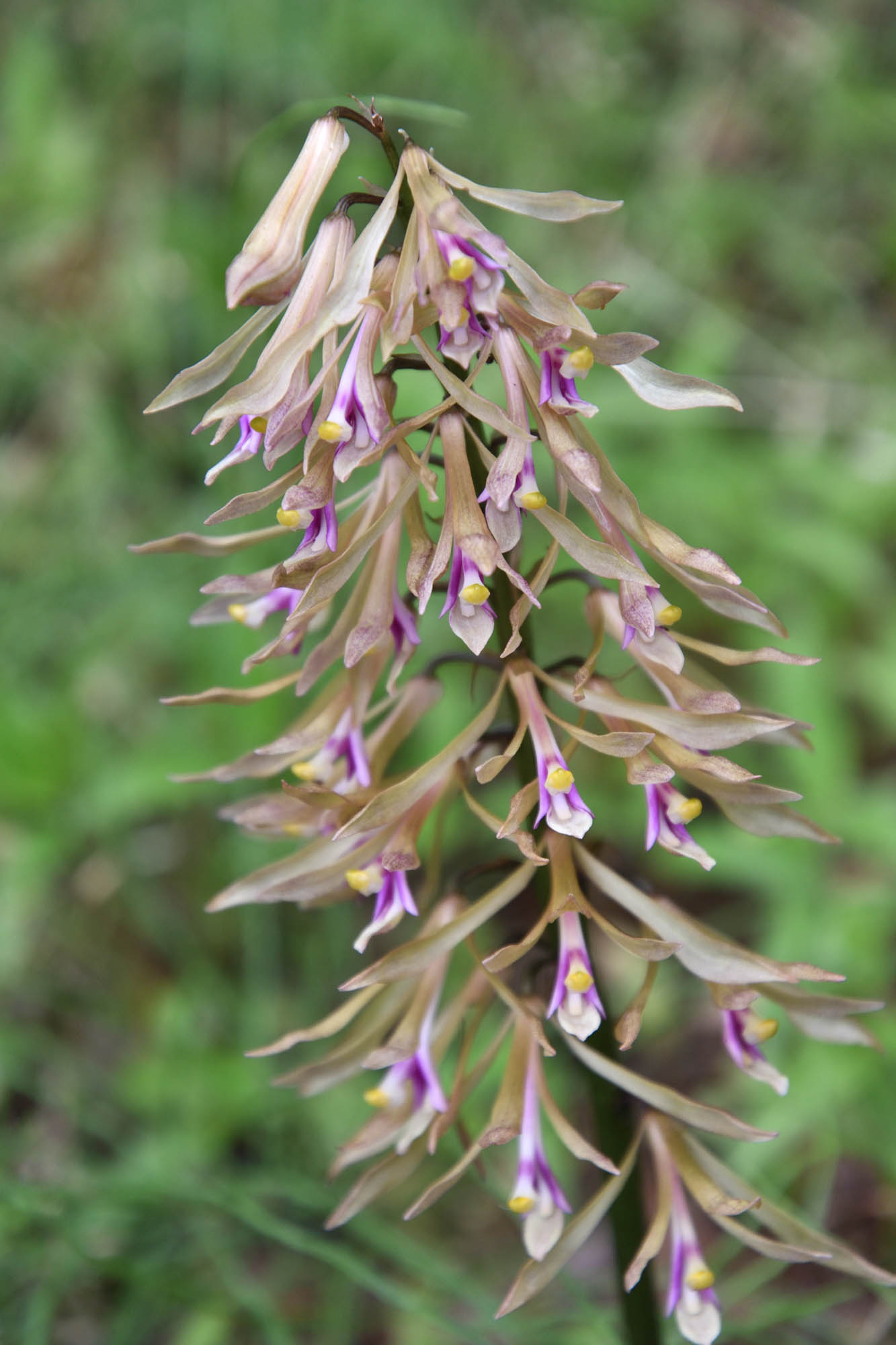
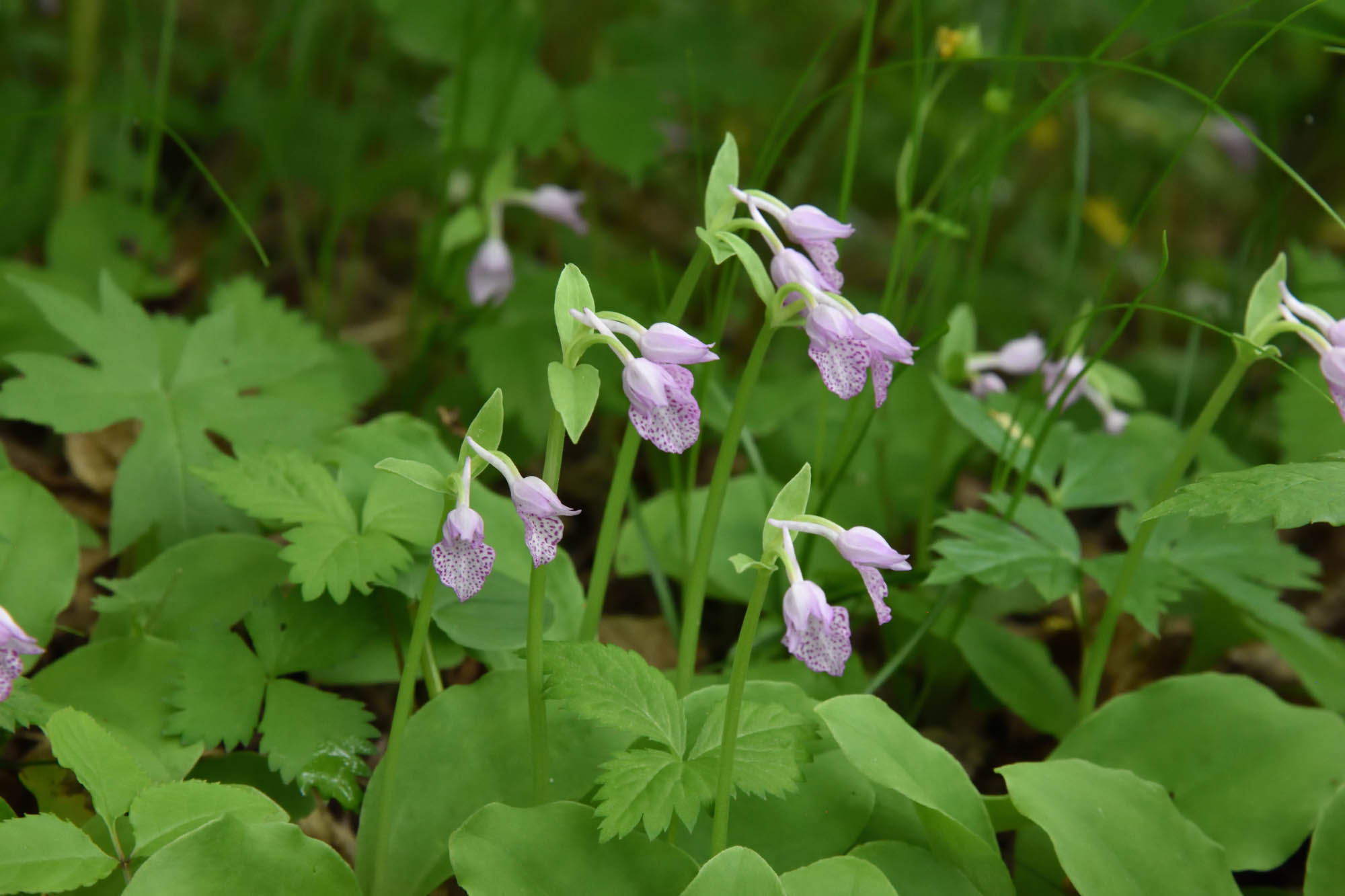
We’ll be immersed immediately in fabulous plants and scenery – both go together frequently in Japan! Mount Fuji will form the perfect backdrop to the purple-pink pouches of Cypripedium macranthos, the divine little spotted Cypripedium yatabeanum, swathes of Iris sanguinea, and delightful clumps of Gentiana zollingeri. Botanical wonders continue with the striking orange blooms of Chaenomeles japonica, the delicate anemone Dichocarpum stoloniferum, the tasselled spires of Comanthosphace japonica, Arisaema ovale var. sadoense, and the orchids Neottia acuminata, Liparis kumokiri and gorgeous Galearis cyclochila. Japan is also famed for its unbelievably diverse woody flora and we’ll get our first taste here with Carpinus japonica, Acer distylum, Styrax obassia and flowering Magnolia kobus amongst a host of species
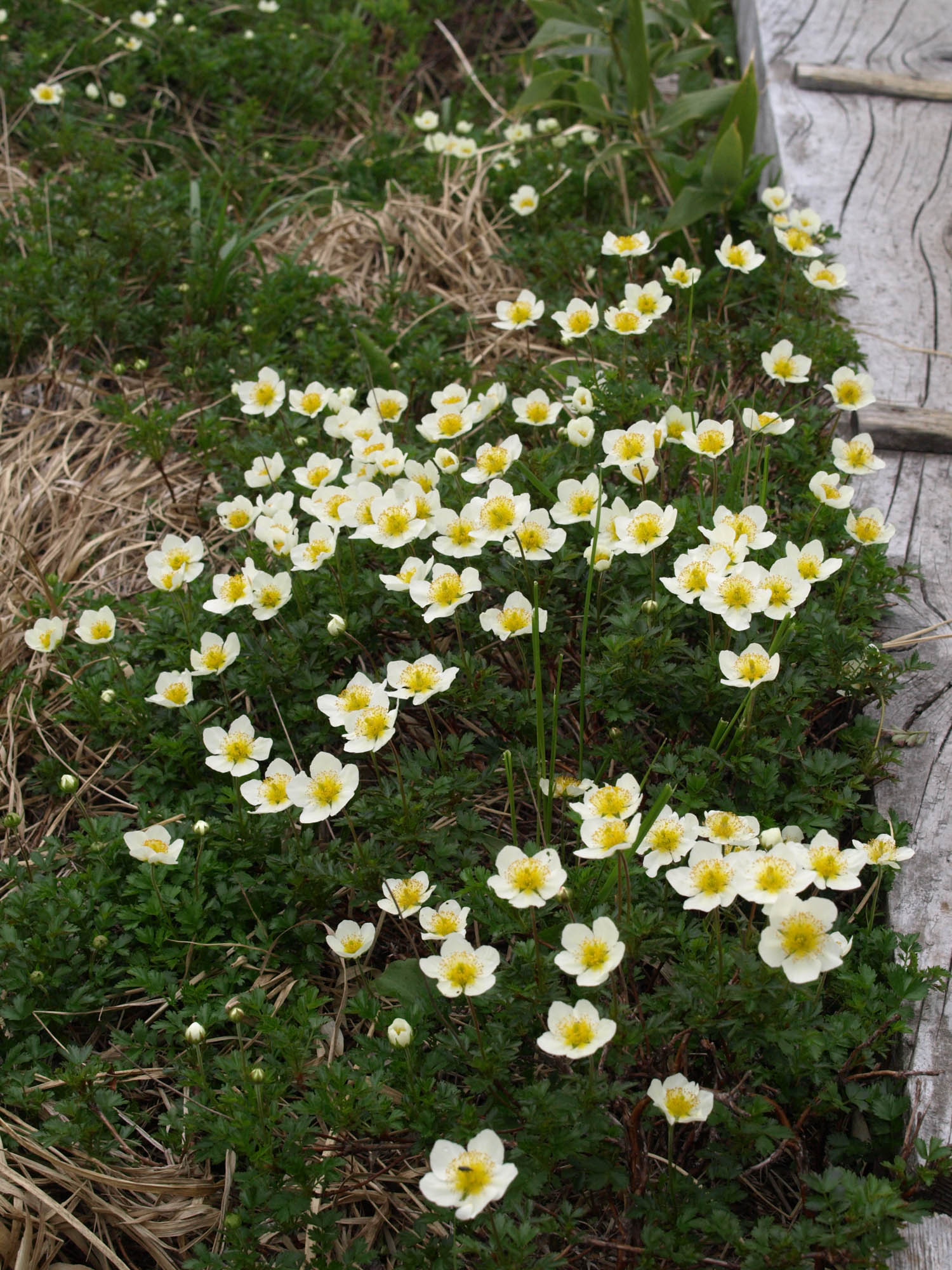
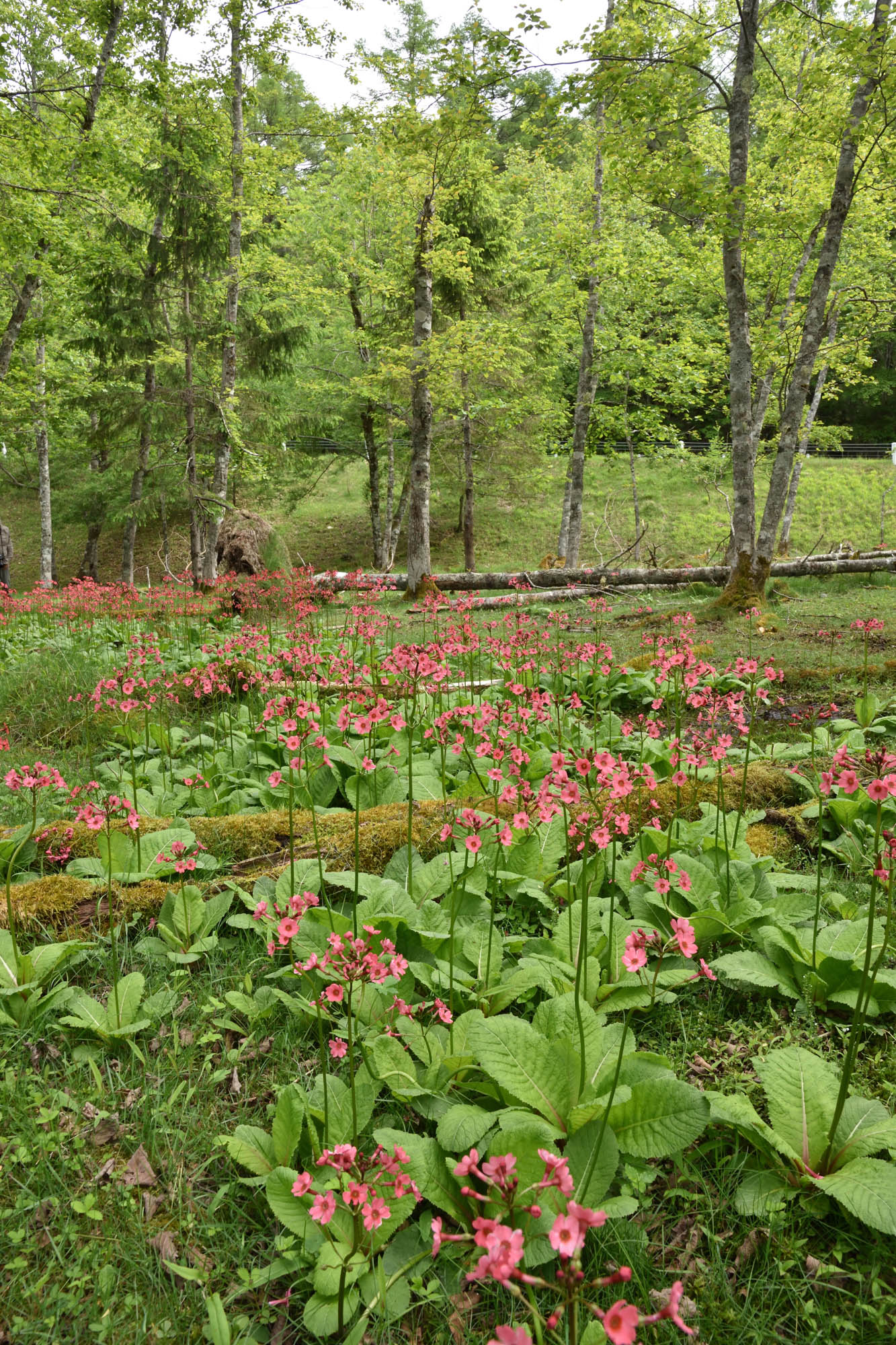
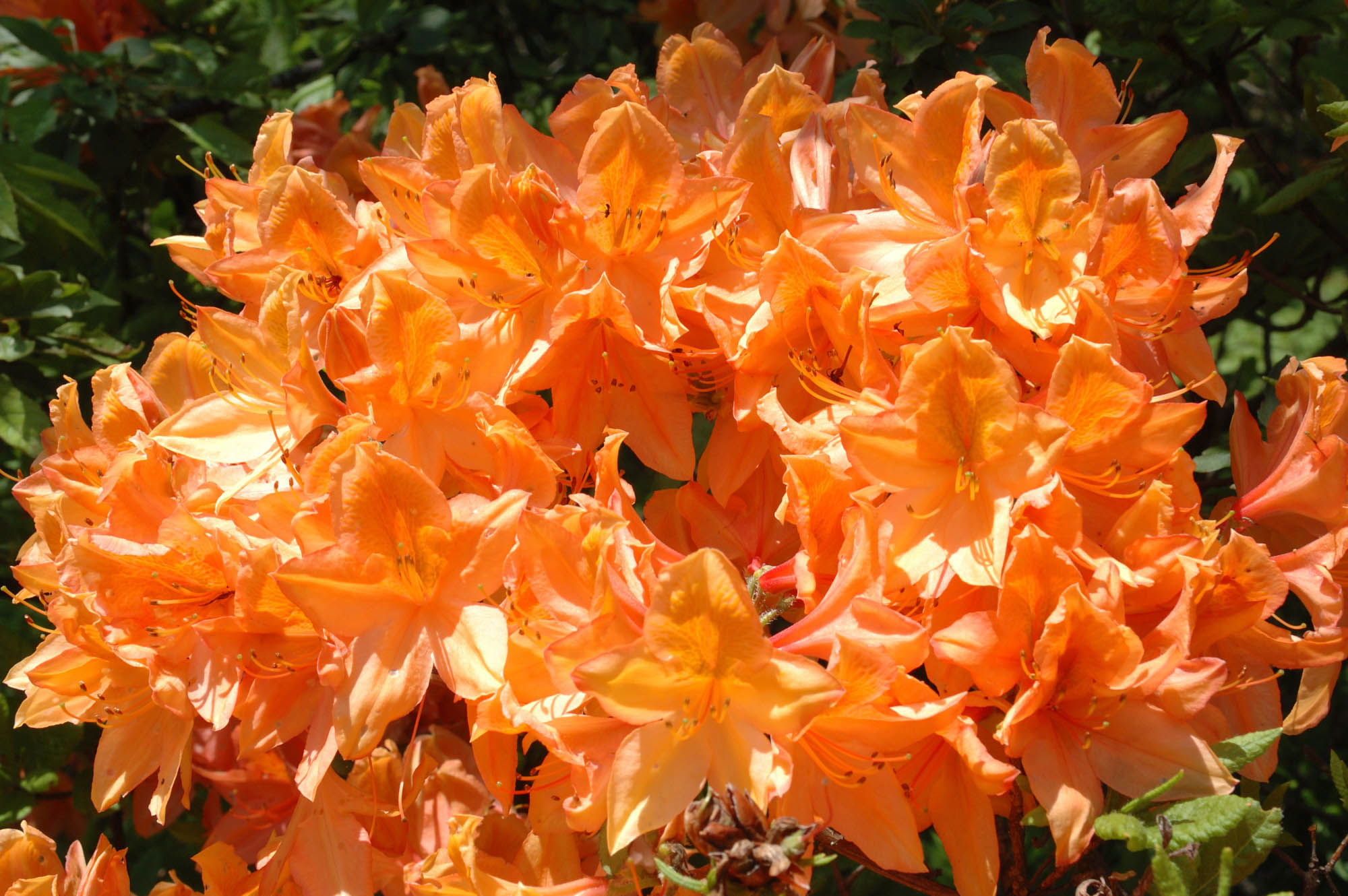
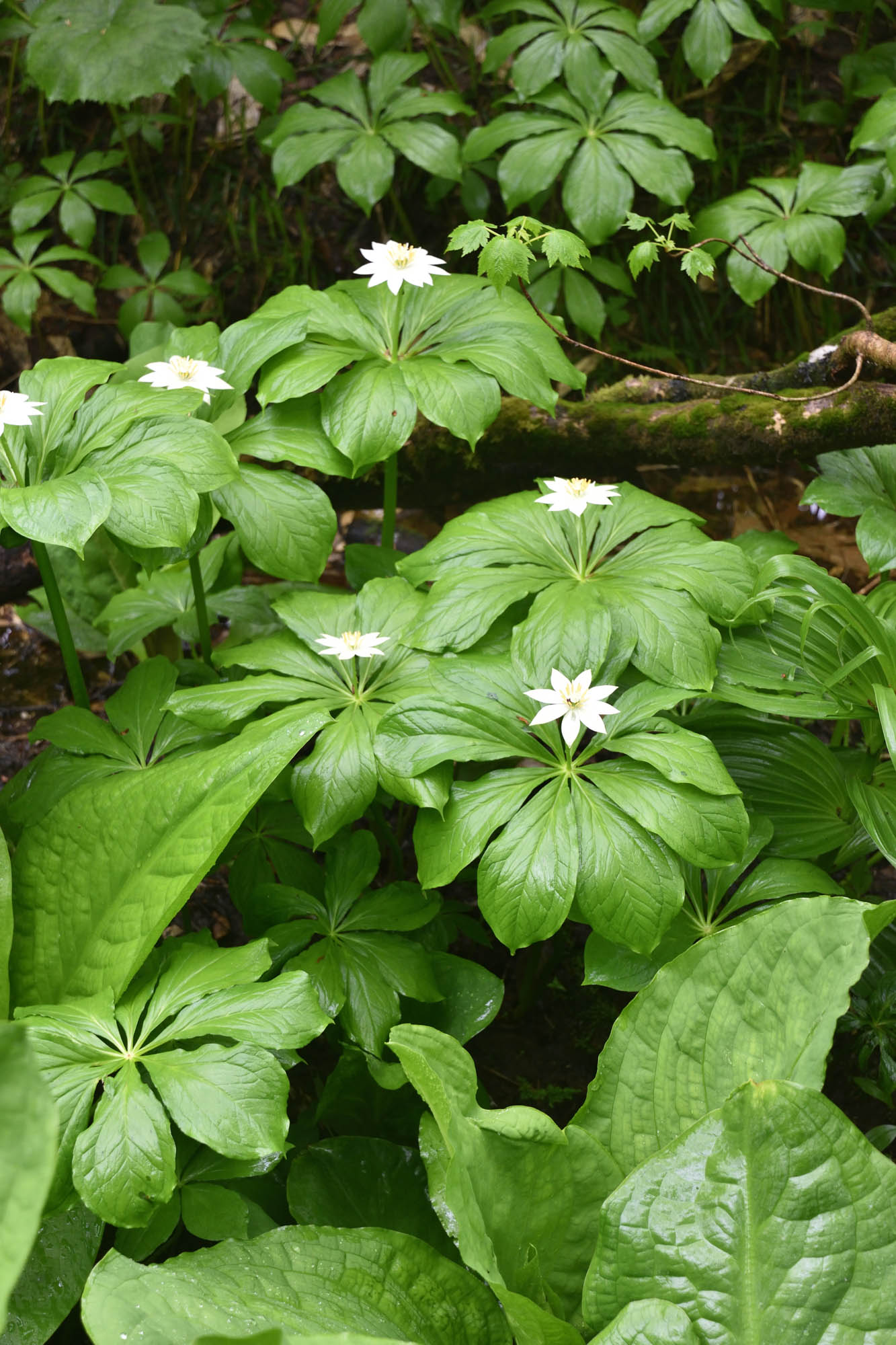
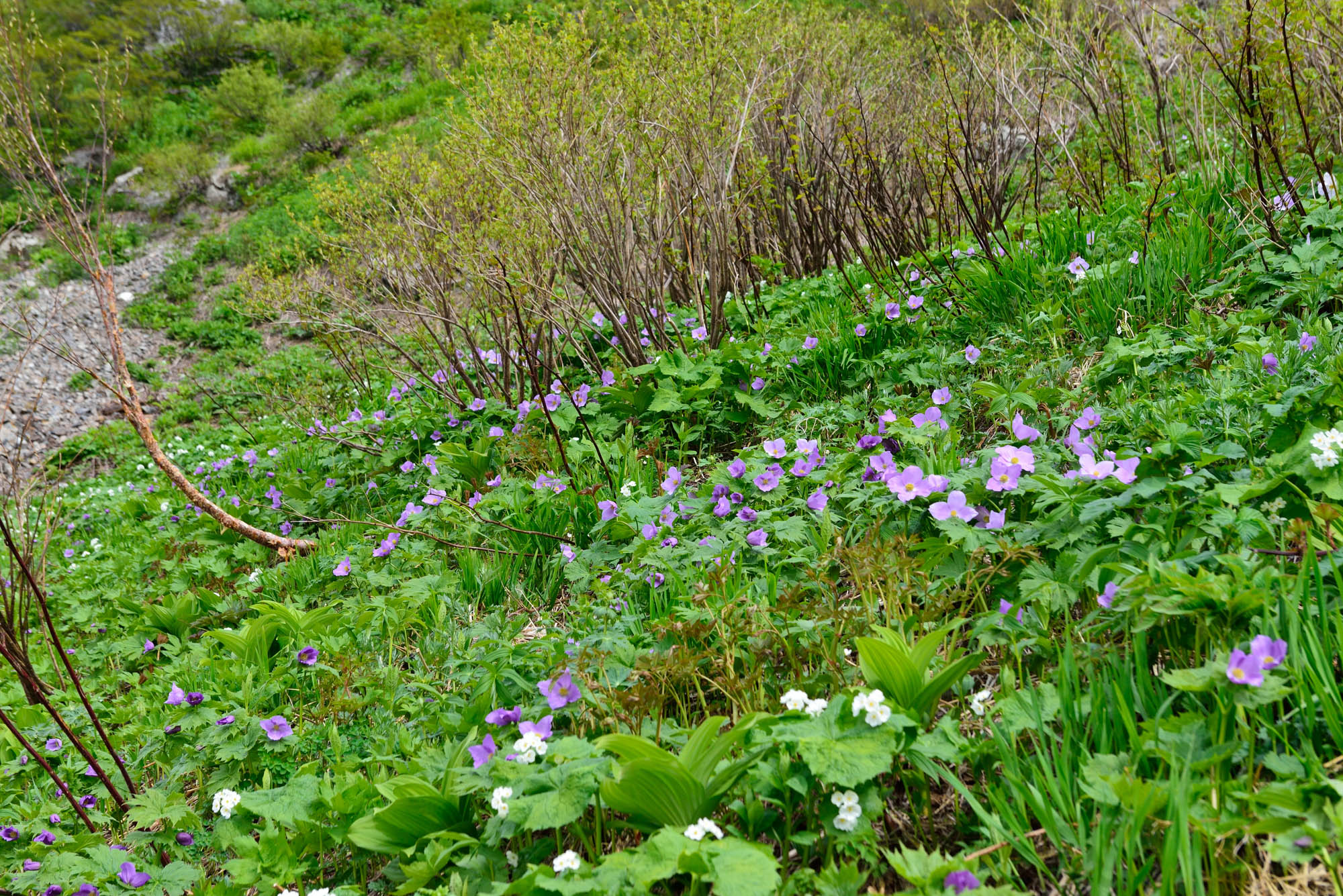
Hakuba-jiri’s famous snowy valley holds Glaucidium palmatum with its impressive pink or white blooms as well as Anemone flaccida, Primula jesoana, the tall pink orchid Neolindleya camtschatica, beautiful and delicate Schizocodon soldanelloides, and Paris japonica. At Utsukushigahara we can see both orange-red and pinkish forms of floriferous Rhododendron molle subsp. japonicum. No less than three species of Trillium inhabit the wonderland that is the Ozegahara Marsh and the Numayama Toge Pass – pink Trillium smallii, vinous Trillium apetalon, and the lovely white Trillium tschonoskii. There’s both Paris tetraphylla and Paris verticillata, drifts of Pteridophyllum racemosum topped by sprays of purest white flowers, delicate little Helonias orientalis, the pink urns of Epigaea asiatica, and the even more classically urn-shaped Asarum sieboldii.
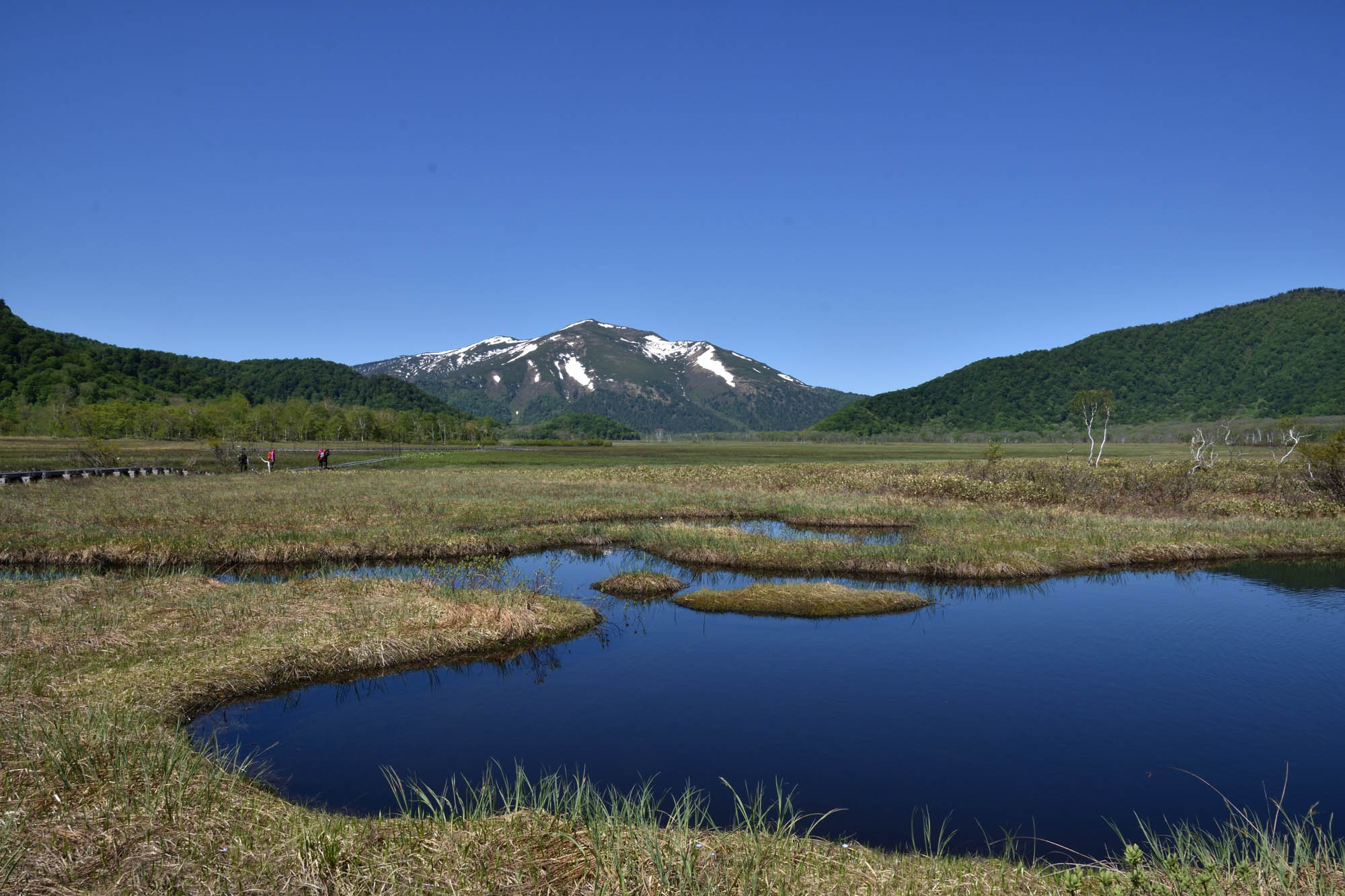
After looking for Lilium rubellum near Minamiaizu Town we’ll head to Japan’s west coast where wetlands host populations of lovely Lilium maculatum and fabulous Hemerocallis middendorffii var. esculenta as well. Though a mountain of moderate height by Japanese standards, the 1984m high Mount Gas-san’s grassy subalpine slopes are for much of the year buried under deep snow, only clearing around the start of June. Here we’ll find the odd-looking Heloniopsis orientalis, Foamy Thalictrum tuberiferum and delicate ivory Primula nipponica.
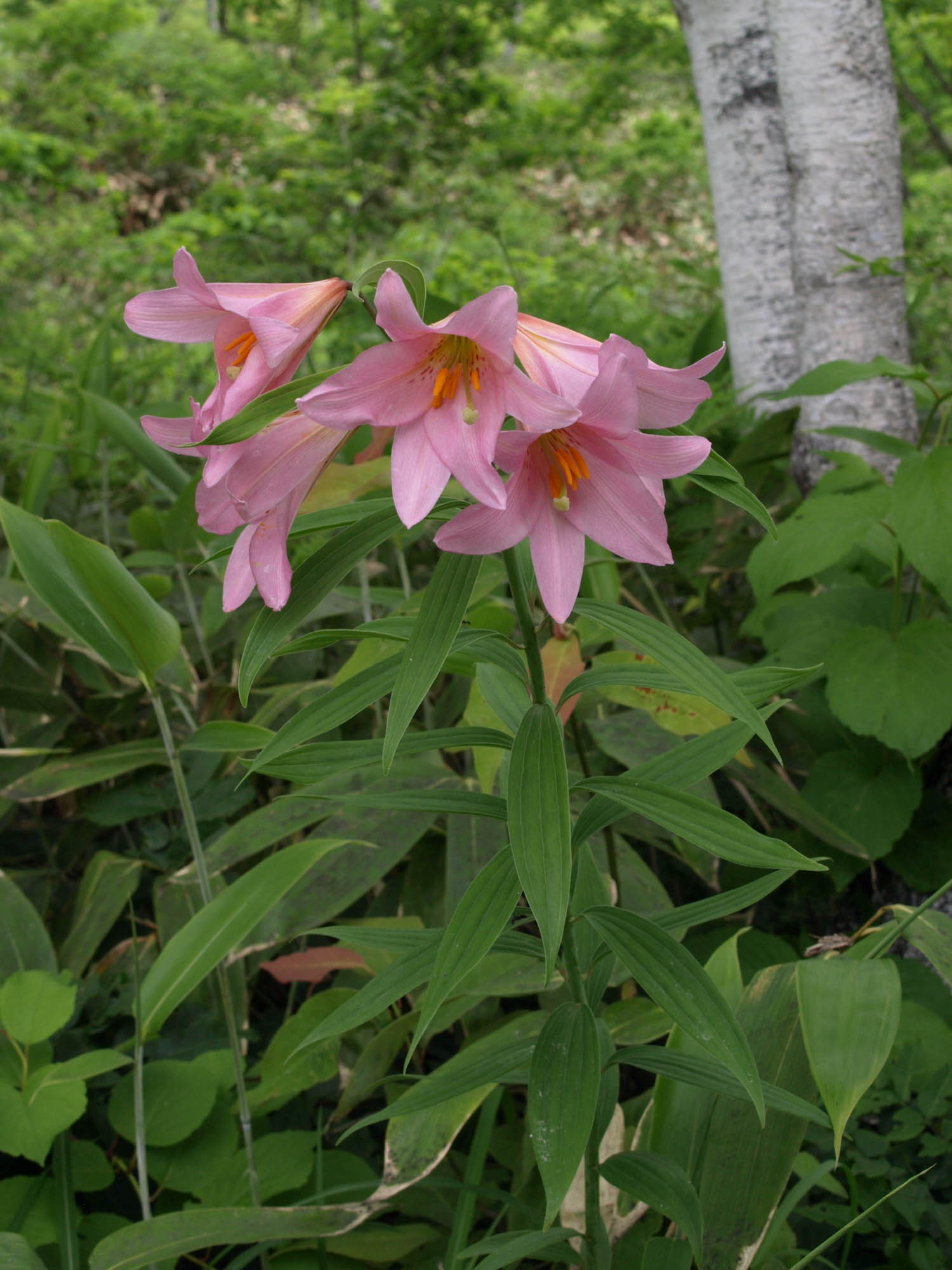
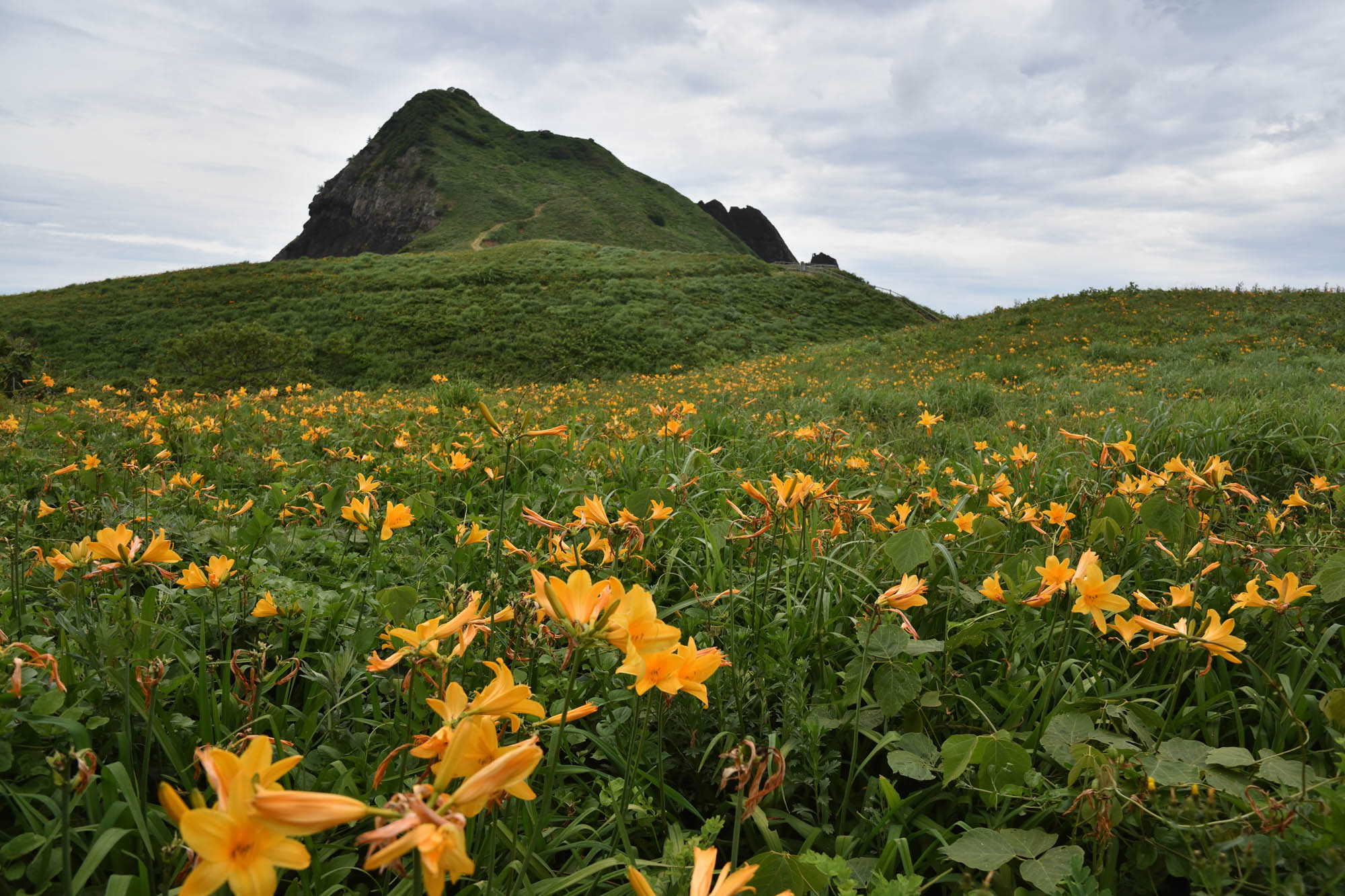
An extension takes us to the northernmost part of Japan’s memorably scenic archipelago, the island of Hokkaido, has more in common with Siberia, and at its very northern tip is the remarkable landscapes of Rishiri-Rebun-Sarobetsu National Park. This protects two islands and part of the peninsula, an area of spectacular and unique landscapes. The impressive volcanic cone of Rishiri-Fuji dominates the scene from the island of Rebun-to, where we’ll be based. Rebun-to is known in Japan as the ‘Floating Island of Flowers’ an epithet you’ll see well-given when you see meadows coloured yellow with stands of yellow Thermopsis lupinoides, blue with Geranium erianthum, golden with Trollius ledebourii, and orange with the wonderful Siberian Lily Lilium pensylvanicum with their large orange blooms. The stunning creamy pouches of rare Cypripedium macranthos var. rebunense will be a top priority and we’ll also look for Primula farinosa subsp. modesta var. matsumurae, the impressive Cobra Lily Arisaema serratum, and the clustered chocolate bells of Fritillaria camschatcensis.
Dates and Prices
15th June - 30th June 2027 (16 days)
Optional Tour Extensions
Hokkaido Extension
30th June - 5th July 2027 (371 days)
* doesn't apply if you're willing to share and a room-mate can be arranged
Spring Flowers.
The minimum group size is 5 and the maximum is 14. The Group will also be lead by Shigeto Tsukie
Easy to occasionally moderate. Usually no more than three or four miles a day, up to seven on a couple of days, and always at a relaxed pace, ideally suited to photographers.
Flower checklists are available.
The first and last nights of the tour will be in Tokyo at the rather opulent Shinagawa Prince Hotel. Next are two nights at the beautifully sited Fuji Lake Hotel with the lake on one side and magnificent views of Mount Fuji on the other. After a one night stay at another wonderfully-sited lake-side hotel, the Hananoi Hotel in Suwa, Nagano prefecture, we move to the Hakuba Alps Hotel for a two night stay. This is a ski-hotel. Next is another night in the mountains at the Oze Kogen Hotel before we head off into the wilderness for two nights in remote mountain huts. These huts are rather basic with dormitory style accommodation with shared facilities. Returning from these we’ve a night in the Hoshinosato Hotel in lovely green surroundings in Fukushima prefecture, then a night in Murakami on the west coast at the Senami Hot Spring Hotel. Here you’ll be able to experience the ‘onsen’ – the traditional Japanese way to enjoy a hot spring. Next is a night in the Route Inn Tsuruoka, which sounds rather dubious but is in fact a pleasant business-style hotel, and our last night before returning to Tokyo and Shinagawa Prince Hotel will be at the Dewaya, a Ryokan in Yamagata, where you’ll get a chance to enjoy the famous cuisine. All of these hotels are western-style hotels of a good to very good standard (think 4-star) except the Dewaya which is a Ryokan. A Ryokan is a traditional Japanese hotel with elegant spacious rooms and the most notable feature that makes them differ from Western-style rooms is the futon beds. On the extension we’ll stay in good quality western-style hotels. All rooms on this tour including the extension have private en suite facilities except for the two nights in mountain huts where the facilities are shared.
Easy to occasionally moderate. Usually no more than three or four miles a day, up to seven on a couple of days, and always at a relaxed pace, ideally suited to photographers.
UK flights are from London Heathrow direct to Tokyo. Indirect routes from other regional UK Airports* are available.
*These routes may incur a supplement.
Variable but mostly clear and sunny with daytime temperatures at lower elevations between 12°C and 25°C, however you’ll find it much cooler at higher altitudes where it may get close to freezing early or late in the day. Rain is likely at some point and is occasionally prolonged and is likely to fall as snow at higher altitudes.
Contact us to check if there is availability for the number of places you require. Click on the ‘Book this Tour’ button on this page to be taken to the online booking form or contact us and we will send one to you which you can complete and send back to us. You will receive confirmation of your place, and then a detailed information pack will be dispatched to you about twelve weeks before departure. This will contain up-to-date health information.