

Suriname
Colombia

A Tropical Botany Course
For many of us who enjoy the glories of temperate botany the very mention of tropical botany sends frissons of fear through our already full minds. Diversity is off the scale where cloudforest meets cactus savannah and where mangrove meets rainforest. Putting labels on the constituent plants of these habitats, where there can be a thousand species in just a few hectares seems an impossible ask. It’s the families that cause us temperate botanists the biggest headaches. In the Swiss Alps or the Russian Taiga we can reasonably confidently assign any plant we come across to a family. In the tropics it all falls to pieces – firstly there’s far too many families and secondly we haven’t heard of quite a number of them, and thirdly, even the familiar families just don’t look like the ones we know from home. Take Rubiaceae for example. In Europe we’re used to little Galiums or maybe a clambering Rubia, however enter the tropics and some of the very biggest trees, such as Chimarrhis, belong to this family.
Here’s where Nelson Zamora can help. Instead of unwieldy family keys, Nelson reckons he can teach you to recognise the vast majority of tropical families looking at just four characteristics. We first met Nelson on a tour for the International Dendrology Society and were immediately impressed not just by his knowledge – he seemed to be able to identify every plant – but by his desire to educate. We were soon saying timidly ‘could it by Myrsinaceae..?’ to be greeted by Nelson’s beaming smile when we’d got it right – not that we did much to start with! Nelson is currently putting the majority of Costa Rica’s 12,000 plant species on plant.net, he’s well on the way…
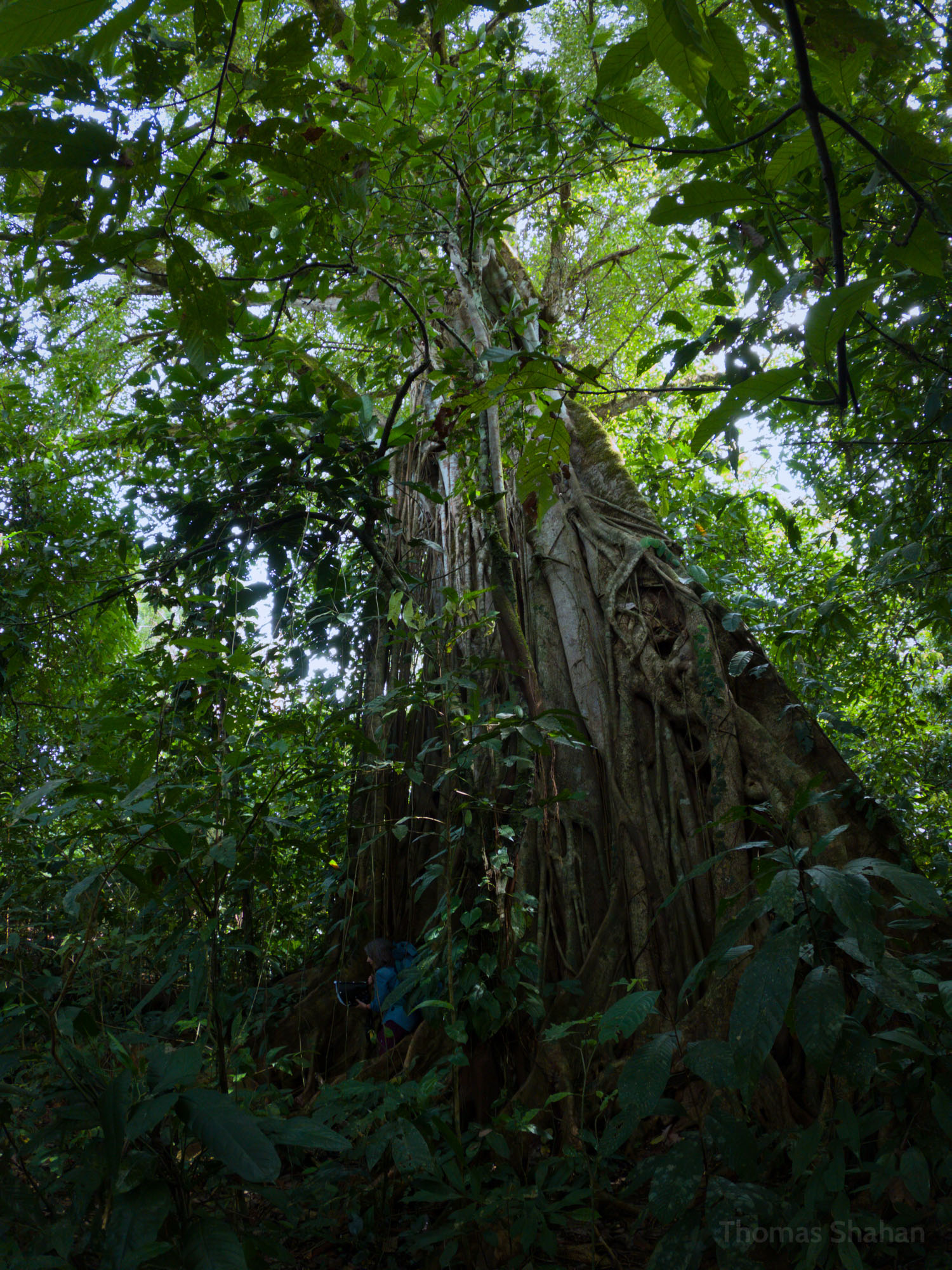
So if you want to know how the Sapodilla family (Sapotaceae) differs from the Avocado Family (Lauraceae) and why the Monkey Pot Family (Lecythidaceae) has such large showy flowers and large woody fruits, this is the trip for you. Peppery-tasting leaves? Could it be Canelaceae? Some forest giants loom out of the forest in front of us with huge buttresses spreading metres out from the trunk. Are they Ceiba, Ficus, Dipteryx or perhaps Pouteria? The leaves are out of sight thirty metres above us… but Nelson will help us decipher the clues…
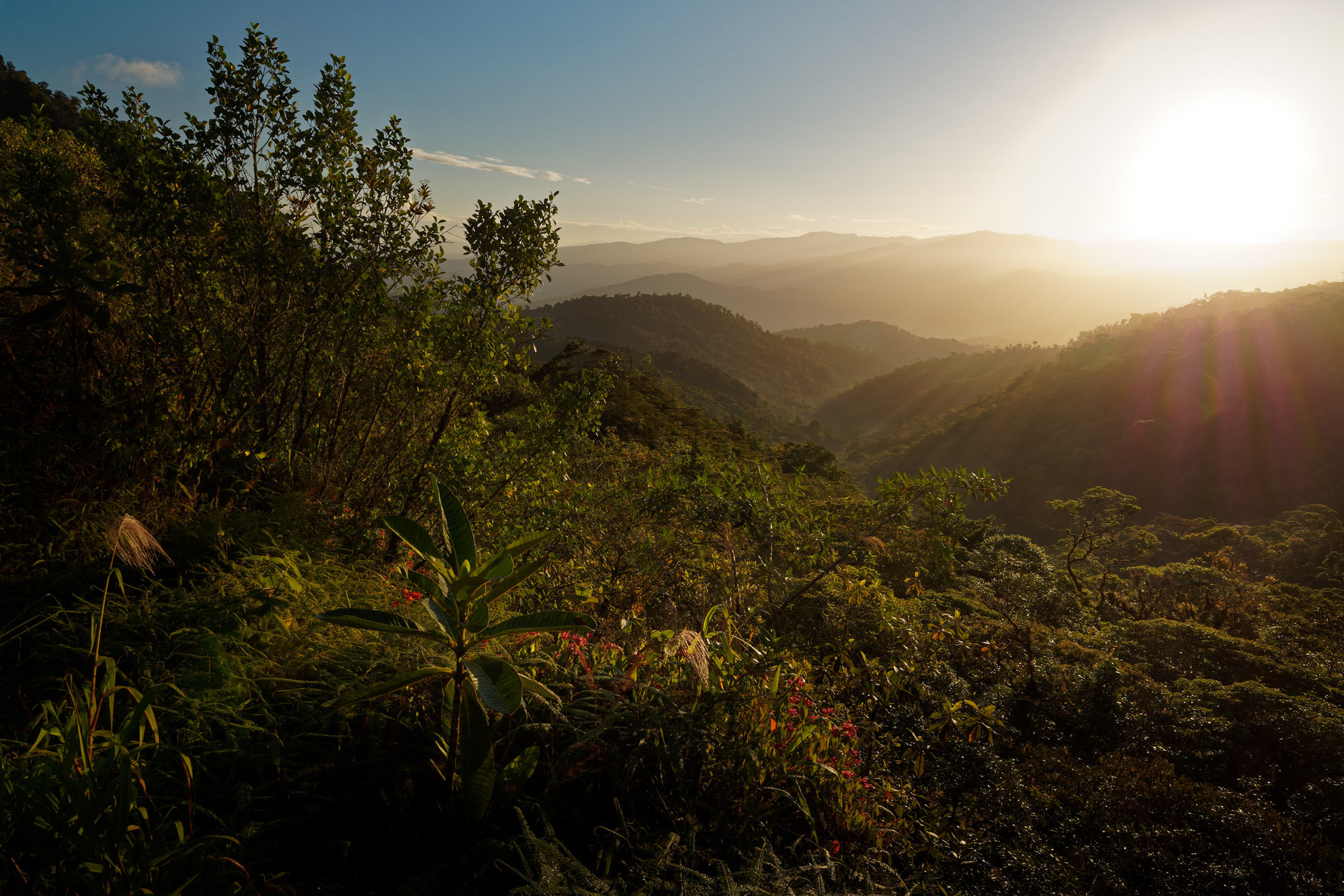
Costa Rica’s stunning landscapes are the perfect place to learn. Still largely carpeted in virgin forest and with no less than one-quarter of the country now within national parks or private reserves. The diversity of fauna and flora is in large part due to physical geography of the country with a central ridge of mountains separating the Caribbean Slopes from the Pacific Slopes with the result that each side has a markedly different set of habitats and species.
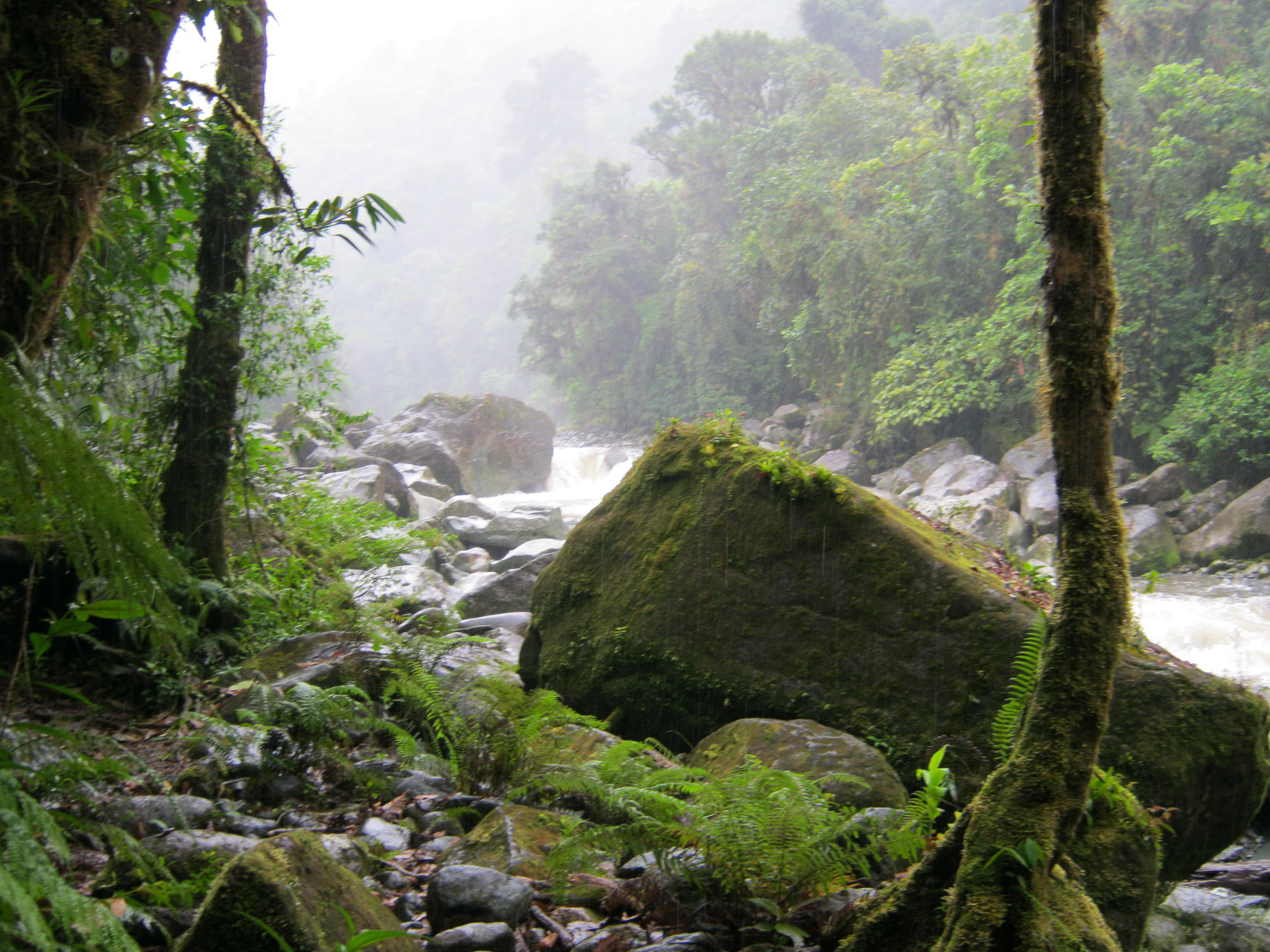
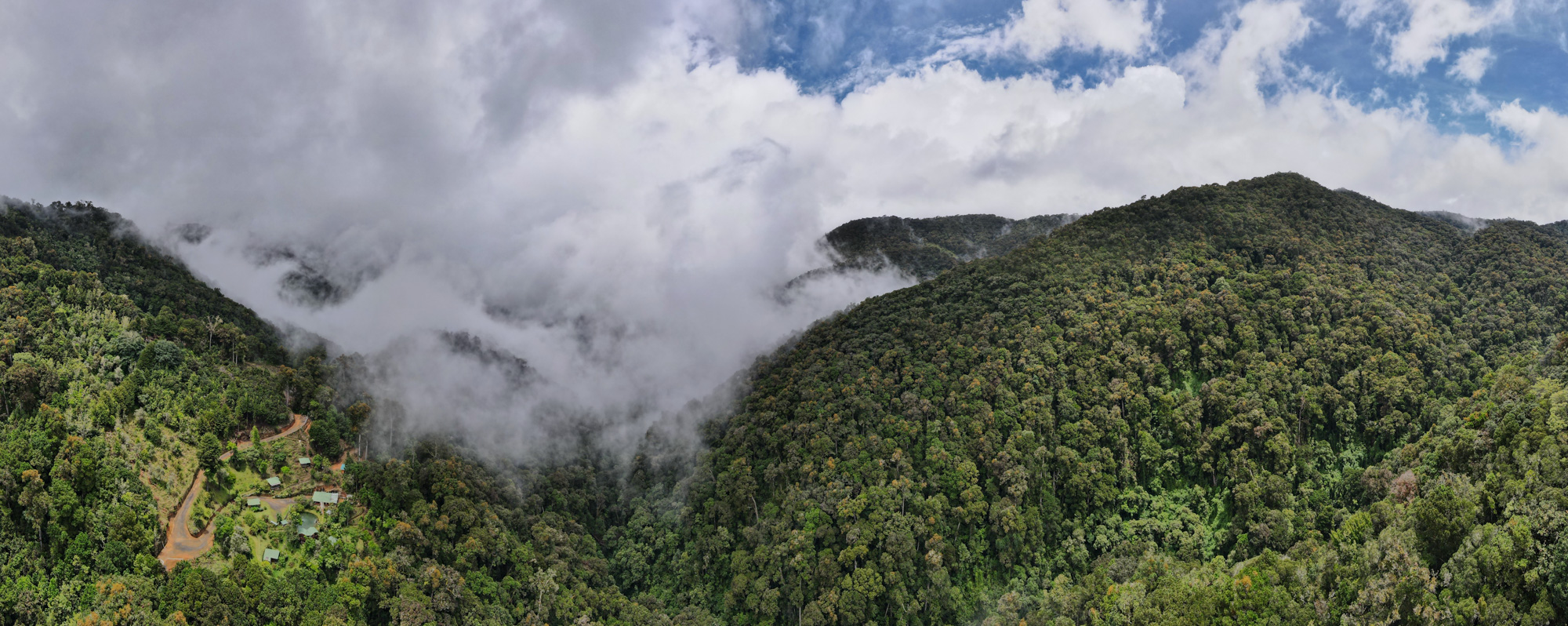
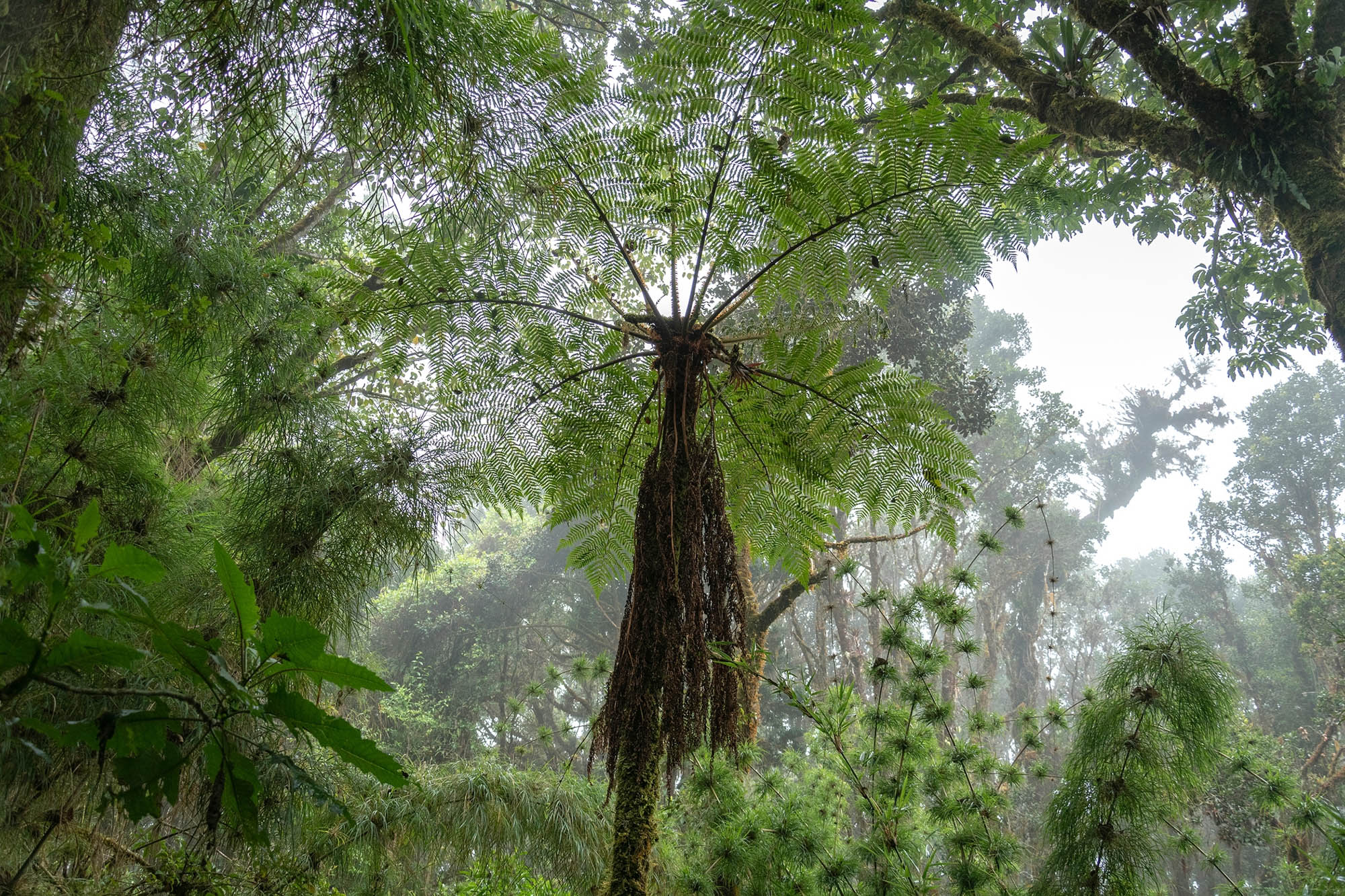
We’ll start in what amounts to a temperate biome, the paramo and cloudforests of the Cerro Buena Vista, between Tapantí National Park and Los Quetzales National Park. In the heart of Costa Rica’s cloud forests, the Paraíso Quetzal Lodge is surrounded by lush forest and tranquil landscapes. Here a private reserve protects 80 hectares of extraordinary biodiversity – towering oaks, crystal-clear rivers, four waterfalls, and traces of ancient fossils await along five scenic hiking trails where Nelson will start our botanical exploration. Here where the Paramo meets cloudforest are many small trees and shrubs – the genera Buddleja, Comarostaphylis, Escallonia, Garrya, Myrsine, Oreopanax, and Schefflera being well-represented. The cloudforest Oaks and Magnolias have spectacular Philodendrons and Anthuriums and along the streams there are stands of magnificentGunneras.
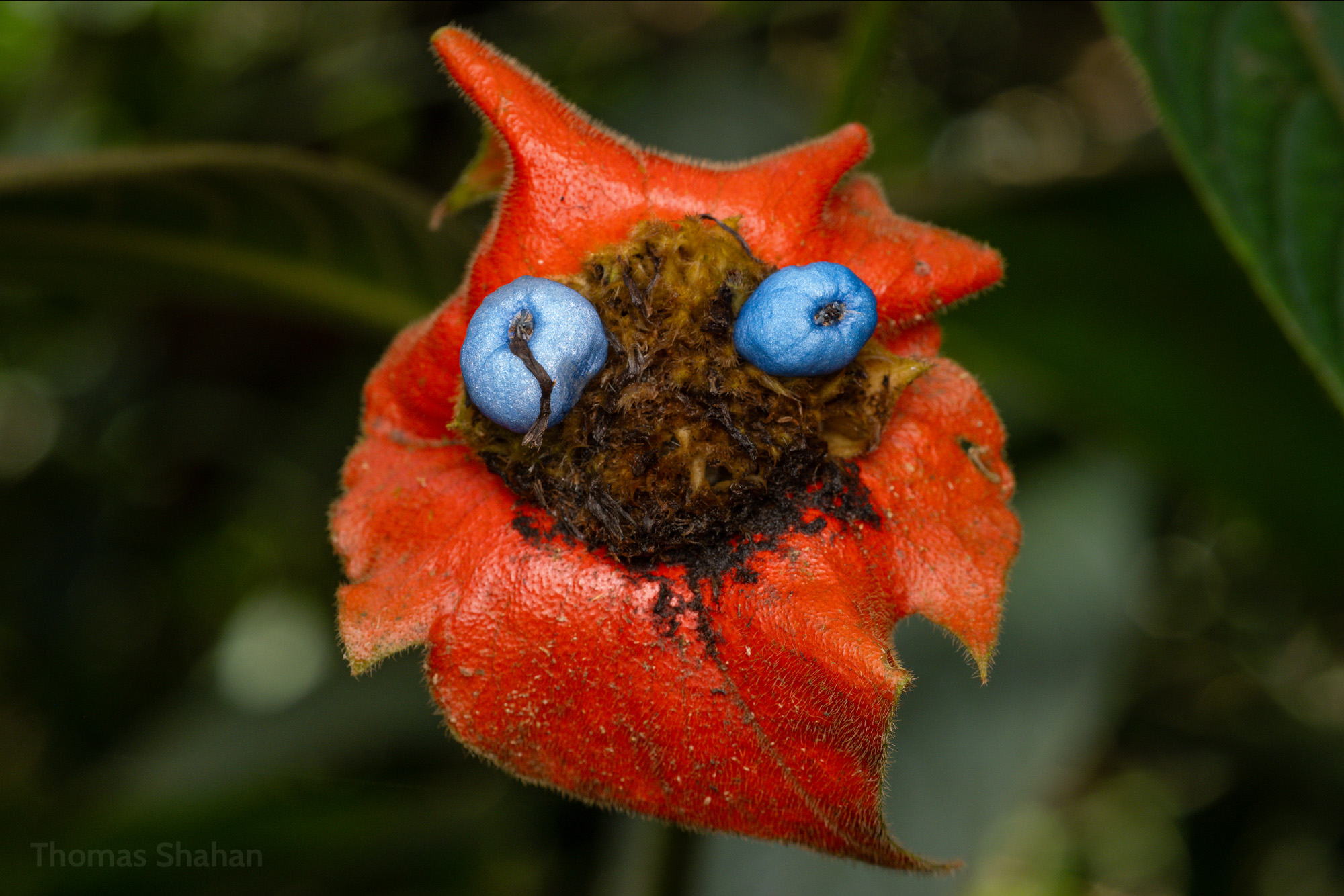
Then we’ll head to one of the richest sites in the country, the fabulous Osa Peninsula and specifically to Osa Conservation’s campus close by Corcovado National Park. Osa Conservation works with local communities, government officials, and global leaders to build a climate adaptive mega-corridor so nature and people can thrive into perpetuity linking three of the country’s most amazing national parks, Corcovado, Piedras Blancas and the biggest of all, La Amistad, straddling the border with Panama. Botanically the Osa is a treasure trove combining the characteristics and diversity of South American forest with a healthy dose of regional endemism. So many new species have been described here in recent years. Osa Conservation’s fantastic forests and their research facilities provide the perfect base for those wanting to learn more. Here we can find the giants of old-growth forest such as Vantanea barbourii, a massive emergent canopy tree species belonging to the family Humiriaceae. Emergent canopy trees belonging to the Lecythidaceae family (the Brazil Nut family) include giants such as Couratari guianensis and the rare Couratari scottmorii. Also topping 50m is Caryocar costaricense, one of the tree species the Osa Centre is working to conserve. The strange Lepidobotryaceae is represented here by Ruptiliocarpon caracolito, the only other genus in the family is in West Africa! Other rarities are Anthodiscus chocoensis, Aiouea obscura and Vachellia allenii. Though many trees keep all but their bark and roots out of our reach there is plenty of beautiful botany near at hand such as another relative of the Brazil Nut, Gustavia brachycarpa, with large showy white flowers, and monotypic Osa pulchra famous for its large, fragrant white flowers and extreme rarity in the wild.
Dates and Prices
3rd February - 14th February 2027 (12 days)
* doesn't apply if you're willing to share and a room-mate can be arranged
Botany. This is a course aimed at those who want to learn how to identify tropical plant families.
The minimum is 4 and the maximum is 10. Lead by Nelson Zamora assisted by Leo Alvarez.
All flights. All transport, accommodation and meals in Costa Rica. Services of your leader and local guides. National park and reserve entrance fees. Please note: drinks, tips, and items of a personal nature, including travel insurance, are not included.
We start with a night in the comfortable Hotel Aeropuerto just fifteen minutes drive from the airport in San Jose. Paraíso Quetzal Lodge nestles in the heart of the cloud forest in a private reserve that protects 80 hectares of towering oaks, crystal-clear rivers, four waterfalls, bisected by five scenic hiking trails. Paraíso Quetzal lies at 2,600 meters above sea level in Cerro Buena Vista, between Tapantí National Park and Los Quetzales National Park. After a night here we have a week at the Osa Nature Retreat, a beautiful accommodation on Osa Conservation’s campus that allows guests to experience the natural world like never before. Here we’ll be staying in cabins that give us direct access to a 100 ft. canopy tower, a private waterfall trail, treetop lookouts, and an interactive living arboretum. All bungalows at Paraiso Quetzal Lodge have en suite facilities. At Osa Conservation each cabin has three separate bedrooms with two bathrooms shared between those rooms.
No more than two or three miles on any one day and always at a slow pace, well suited to photographers. Trails can be muddy at times.
UK direct return flights are from London Gatwick to San Jose. Other indirect routes from regional UK Airports* are available.
*These routes may incur a supplement.
Cool to warm at Paraíso Quetzal. Warm to more usually hot in the Osa Peninsula. This is one of the driest times of year on average, but still rain can be expected anywhere, but usually only for an hour or two in the afternoon. Humidity levels are generally quite high in the lowlands, less so in the mountains.
Contact us to check if there is availability for the number of places you require. Click on the ‘Book this Tour’ button on this page to be taken to the online booking form or contact us and we will send one to you which you can complete and send back to us. You will receive confirmation of your place, and then a detailed information pack will be dispatched to you about twelve weeks before departure. This will contain up-to-date health information.